
M.I.A.
OPINION: The previous government spent too much during the Covid-19 pandemic, despite warnings from officials, according to a briefing released by the Treasury.




 increase font size
 Todd Muller.
Budget 2020 hasn’t provided anything of note for the primary sector at a time when it is leading our nation’s rebuild, National’s Agriculture spokesperson Todd Muller says.
He says the Government’s claim of ‘rebuilding better’ is nothing but a meaningless slogan for the primary sector. Muller says costly Government proposals like Essential Freshwater are still on the way, there’s no large-scale water storage funding and not enough support to secure the 50,000 workers needed to stimulate the sector.
“Covid-19 has thrown our country into a deep economic hole and we’re now relying on our food and fibre sector to get out of it. We should be encouraging this sector to grow and maximise its potential but funding has gone backwards. With farmers and growers across the country experiencing the worst drought in living memory this season, it’s disappointing to see no significant investment in water storage,” he says.
Muller says if we are going to be borrowing large sums of money that will need to be repaid by future generations of New Zealanders then that is the sort of strategic infrastructure we should be implementing.
“With $140 billion of debt being accumulated today there’s a good chance that there will be more taxes in the pipeline to cover the cost. And we all know the primary sector is one of the Government’s favourite cash cows,” he says.
Muller says to ensure our economic recovery the Government should be investing in and encouraging the sector that is paying the bills to grow.”
OPINION: The previous government spent too much during the Covid-19 pandemic, despite warnings from officials, according to a briefing released by the Treasury.
OPINION: Labour leader Chris 'Chippy' Hipkins is carrying on the world-class gaslighting of the nation that he and his cohorts started after their disastrous Covid response; now trying to undermine the Covid inquiry to protect his own backside.
OPINION: Did former PM Jacinda Ardern get fawning reviews for her book?
OPINION: Welcome to the second annual NZ Dairy Expo at Matamata – an event created to bring together the best of the New Zealand dairy industry in a focused, grassroots environment where dairy farmers and rural professionals can meet, talk, compare products, and make smart decisions for their farms.
It's a bloody tough year for sheep farmers, but the worst may be over, and the future looks optimistic.


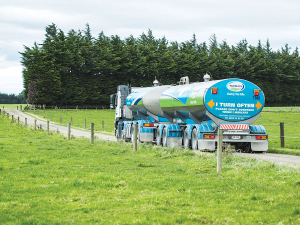
Fonterra board members are in line for a pay rise of around 3%.
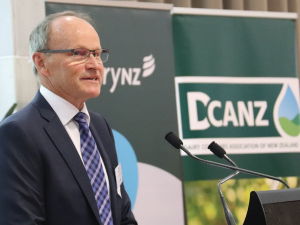
Dairy processors are ready to further boost New Zealand’s export earnings but want the incoming government to match their ambition with good policy.
Massey University is best placed to solve the “problems” facing the dairy industry, says vice chancellor, Pierre Venter.
Synlait's longest serving employee – a man who joined the Canterbury-based milk processor even before it began processing milk – is now its newest executive.
A dairy industry leader believes eradicating the common and costly disease, Bovine Viral Diarrhoea (BVD) is within reach.
A farmgate milk price of $10/kgMS this season is firming up as milk powder prices soar and the New Zealand dollar weakens.



OPINION: The same mainstream media muppets that brought you Jacindamania in 2017 have been flat out pimping for the Opportunities…
OPINION: Your old mate reckons the atrocious way farmers in the UK are treated by their lords and masters in…




