Susan O'Regan Appointed New Chair of QEII National Trust
Minister of Conservation Hon Tama Potaka has appointed Susan O'Regan as Chair of the Queen Elizabeth II National Trust (QEII) for a three-year term.




 increase font size

The Waikato Regional Council has welcomed a $3 million funding injection from the Government to ensure the long-term protection of Lake Taupo's excellent water quality.
Chairman Peter Buckley says protecting the lake is crucial for a range of environmental, economic, social and cultural reasons.
"The funding will ensure we can meet our nitrogen reduction target and protect the lake for future generations of New Zealanders," he says.
The Protecting Lake Taupo Project aims to reduce by 20% the amount of nitrogen getting into the lake from manageable sources, such as leaching from farms and discharges from wastewater plants. This is aimed at preventing the growth of too much algae which can affect water clarity in the lake, a major tourism draw card.
The Lake Taupo Protection Trust was set up to help implement the project by administering an $81.5 million public fund, made up of contributions from central Government (45%), Waikato Regional Council (33% and Taupo District Council (22%).
The latest funding increases the value of the fund and enables the trust to take the final steps to meet the nitrogen reduction target of 170 tonnes a year by 2020.
The trust buys land or assists farmers to change their land use and has made excellent progress in reducing the total amount of nitrogen from farms getting to the lake. For example, the trust has used the funds to convert 5800ha of farmland to low-nitrogen leaching plantation forestry.
"The regional council's partners in the project - central Government, Ngati Tuwharetoa and Taupō District Council, and the many farmers in the catchment who have had to make significant changes to their farm systems - have all played a very crucial role in the success of this project," says Cr Buckley.
The regional council's Taupo constituency councillor Laurie Burdett says the community had made it clear how important it was to them to protect the lake.
"I'm delighted to know we have the funds to finish the job the community asked us to do," she says.
Minister of Conservation Hon Tama Potaka has appointed Susan O'Regan as Chair of the Queen Elizabeth II National Trust (QEII) for a three-year term.
Farms across the upper North Island are trialling different pasture mixes as part of a research programme that aims to build greater resilience into farming systems.
There's been widespread support from the primary sector for the Government's announcement on changes to freshwater farm plans that come under the Natural Environment Bill, which is now set to replace the existing RMA.
The Government has announced it will pause key parts of Waikato Plan Change 1 (PC1) in a decision that is set to give Waikato farmers a reprieve from new consenting and farm-planning requirements while the wider resource management system is overhauled.


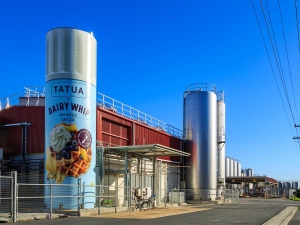
Waikato milk processor Tatua has again declared a record milk payout to farmer shareholders, leaving other processors in the dust.
A Labour-led Government won’t be bringing back the controversial freshwater rules of 2020.
National’s much-touted free trade deal with India featured in the Rural Issues Debate at Mystery Creek, Hamilton on Wednesday night.
New Zealand's 2026-27 freshwater fishing season has opened, with anglers encouraged to head to rivers and lakes over the coming days as conditions look favourable across much of the country.
Central Otago District Council (CODC) has voted against a plan to spread treated sewage sludge from Cromwell and Alexandra on farmland near Lauder, a decision Federated Farmers says reflects strong opposition from rural residents.
Pāmu has released its FY26 Integrated Annual Report, reporting a Net Operating Profit of $113 million, more than double the $49 million recorded in FY25.




OPINION: The same mainstream media muppets that brought you Jacindamania in 2017 have been flat out pimping for the Opportunities…
OPINION: Your old mate reckons the atrocious way farmers in the UK are treated by their lords and masters in…