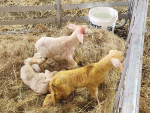
Beef + Lamb NZ's Lambing Kit Checklist for a Tough Season
With lambing underway in many regions, Beef + Lamb New Zealand is encouraging farmers to put together a wellequipped lambing kit to help minimise lamb losses, particularly in bad weather.




 increase font size
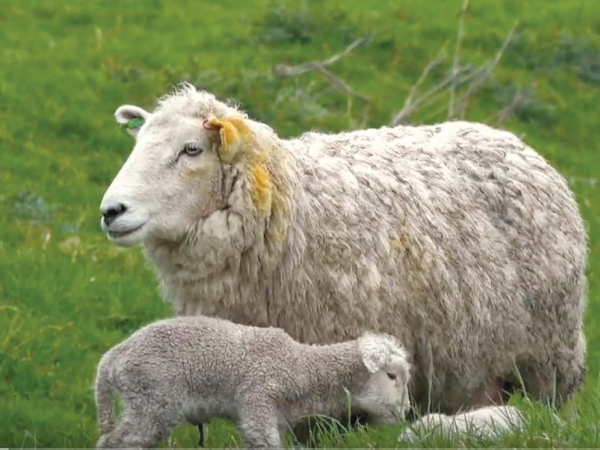 Chronic Non-Progressive Pneumonia (CNP) is the most common form of pneumonia in lambs.
With weaning soon to get underway, some simple management strategies can help prevent the economic losses associated with pneumonia and pleurisy.
Minimising the time lambs spend in yards, avoiding shearing lambs at weaning and maintaining small mob sizes when yarding lambs have all been found to reduce the incidence of Chronic Non-Progressive Pneumonia (CNP). This is the most common form of pneumonia in lambs and can lead to pleurisy where lungs are stuck to the chest wall. Affected carcasses are downgraded or condemned at processing.
Caused by bacteria, mycobacteria, or viruses, CNP can cost farmers due to downgraded carcasses and reduced lamb growth rates.
In case study of a mob of 500 lambs with a typical level of pneumonia, estimated costs due to downgraded carcasses were $2,920 (at a $6.63 schedule) or $5.80/head.
Significantly affected lambs can grow 50% slower than unaffected lambs. If lambs with CNP grow at 75g/day rather than 150g/day, then it will take them an extra 47 days to grow from 30 kgLW to 37 kgLW. This would require an additional 66 kgDM.
Studies by both Massey University and AgResearch have shown that the prevalence of lambs with CNP at slaughter ranges significantly between flocks and years, but on average flocks have 20–30% of lambs affected.
Other on-farm management factors that may be linked to pneumonia include breeding ewe replacements (lambs spend more time in yards) and contact with other flocks through the purchase of other lambs post-weaning.
It is recommended that farmers try and reduce the extent and duration of open mouth panting when moving lambs. Ways to do this include using satellite yards and utilising laneways to allow lambs to drift along at their own pace and targeting cooler days or cooler parts of the day.
Other suggested risk factors of CNP, which are largely anecdotal, include high temperatures and humidity, crowding, stress, dust, excessive exercise, poor ventilation, low immunity and high parasite loadings.
Sheep with CNP often have sub-clinical symptoms such as reduced growth rates, but affected sheep will often have trouble breathing and pant following exercise and cough.
The best prevention strategy is to ensure animals are well-fed, are up-to-date with animal health treatments and have minimal stressors (especially exercise and yarding stress).
Ewes in good body condition will grow their lambs as fast as possible to weaning, meaning more lambs are sold at the weaning draft and therefore have less exposure to CNP-causing bacteria or viruses. Those that do remain have well developed immune systems.
Tackling CNP
With lambing underway in many regions, Beef + Lamb New Zealand is encouraging farmers to put together a wellequipped lambing kit to help minimise lamb losses, particularly in bad weather.
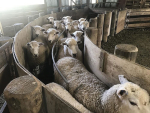
Scanning is a great time to start identifying and managing groups of ewes based on feeding priorities. Wormwise's Mary Bowron discusses some of the possible reasons ewes lose condition in early winter - and it's not necessarily internal parasites.
Improving lamb survival rates is a key focus for New Zealand farmers, especially this time of year.
Lambing is now well advanced around much of New Zealand, including in areas where drought-like conditions are presenting real challenges for farmers, on top of a poor run of prices for their product.
A Christchurch manufacturer of woollen covers for newborn lambs says his covers pay dividends in survival rates and liveweight gains, especially at a time when farmers are feeling the economic pinch.


Dairy processors are ready to further boost New Zealand’s export earnings but want the incoming government to match their ambition with good policy.
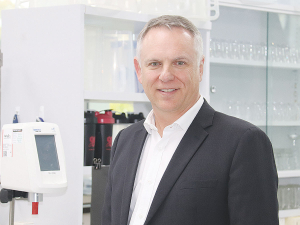
Massey University is best placed to solve the “problems” facing the dairy industry, says vice chancellor, Pierre Venter.
Synlait's longest serving employee – a man who joined the Canterbury-based milk processor even before it began processing milk – is now its newest executive.
A dairy industry leader believes eradicating the common and costly disease, Bovine Viral Diarrhoea (BVD) is within reach.
A farmgate milk price of $10/kgMS this season is firming up as milk powder prices soar and the New Zealand dollar weakens.
Federated Farmers has welcomed new rural policies released by ACT, saying they align closely with its own election priorities.





OPINION: The same mainstream media muppets that brought you Jacindamania in 2017 have been flat out pimping for the Opportunities…
OPINION: Your old mate reckons the atrocious way farmers in the UK are treated by their lords and masters in…




