Monthly dog dosing will close measles gap
Requiring that all dogs on sheep farms be treated every four weeks for sheep measles is a significant step in reducing the impact of the parasite, says Dan Lynch.




 increase font size
 Do you trust your dog?
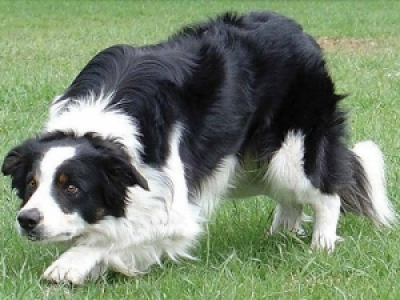
My first few heading dogs were medium eyed and firm; they didn't creep and crawl, preferring to get on with the job.
If I wanted slow and steady all I had to do was ask.
Then along came Lace. I bred her and trained her using a pole and ropes; she was easy to train and understood about nine working commands.
Lace was very biddable and didn't have a disobedient or bad bone in her body; she was a very sweet dog. However, she had me ripping my hair out in frustration. She was the total opposite of any dog I'd ever had. Lace was so gentle and careful with sheep that they didn't move off her like they'd moved off my previous heading dogs.
At my wits end, I rang a friend, asking if I could visit one afternoon and get his advice. Bernard Arends, one of New Zealand's top dog trialists, was always happy to help people with dog training.
Lace and I gave Bernard a demonstration, showing our prowess for about 10 minutes; she carefully worked the sheep and obeyed all her commands and as usual I was frustrated at the slowness of it all.
"Do you see what I mean? She's pathetic!"
"Anna, you don't know what you've got. She's stunning! You can train a dog, she does everything she's told... now shut up and let her work them."
Well, that was a slap in the face and one I'll never forget, but they are the most profound words anyone has ever said to me about working a dog.
Bernard then taught me how to read sheep by observing their most subtle movements. As soon as I started working Lace again, keeping commands to a minimum, reading the sheep and allowing her to move when and where she thought best, everything fell into place and the sheep were like putty in Lace's paws.
It was all about timing – when, and when not, to ask the dog to walk forward. Lace knew, I didn't.
I couldn't believe what was happening, how easy and effortless it was. I went there with a dog I was disappointed in and wanted to get rid of and went home with a new understanding and appreciation of who she was and how to work 'with' her.
From that day until the day she died, I loved that dog and mustering with her was a joy. She worked magic in tricky situations, she mastered the maddest sheep and she was the most loyal hard working dog you could ask for.
When we went trialling our demise wasn't due to inadequate training or lack of skill on her part: I let her down. I know without a doubt, if she had been with someone who was experienced and understood the art of dog trials, she would have been a cracker.
My previous heading dogs could shift quite big numbers on their own with their bold direct style. Lace would have struggled in similar situations, but that is why we have more than one dog in our teams; I'd just send her some help in the way of noise.
Rather than trying to change the essence of a dog, work with what you have; perhaps you need to adjust how you normally do things. Maybe your dog is special and you haven't realised it; give trust a go.
In memory of Lace, one of the best dogs I had the pleasure of working alongside.
• Anna Holland is teaching people dog training. For more information www.annaholland.co.nz or Ph. 06 212 4848 or This email address is being protected from spambots. You need JavaScript enabled to view it.
Requiring that all dogs on sheep farms be treated every four weeks for sheep measles is a significant step in reducing the impact of the parasite, says Dan Lynch.
Requiring that all dogs on sheep farms be treated every four weeks for sheep measles is a significant step in reducing the impact of the parasite, says Dan Lynch.
A UK farmer has smashed a world record – for selling her sheepdog at an astonishing price.
Two words I find invaluable when training dogs are “good dog”.
Dogs can be taught a lot of different commands, more than you would think; the thing to remember prior to training is to run through in your mind their other commands to make sure they all sound different.


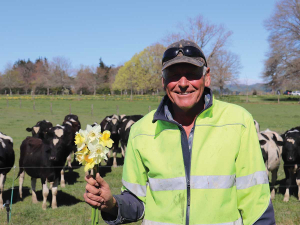
South of the central Hawke’s Bay town of Waipukurau is Taniwha Station – a highly successful 550ha bull beef farming operation.
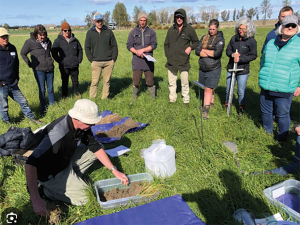
Beef + Lamb NZ funded research has shown that some simple changes to pasture management could help farmers make better use of rainfall and build resilience before dry conditions hit.
OPINION: There could hardly be a more appropriate theme for a conference than the one chosen by the red meat sector - Navigating Volatility.
When Northland leather worker Vernon Suckling started making horse saddles 50 years ago, quad bikes and side-by-side vehicles were unheard of.
Alliance Group has confirmed that eligible farmer-shareholders who supply and continue to back the business will receive up to $20 million later this year, following the strategic investment partnership with Dawn Meats.
With a general election under five weeks away, Rural News is asking major political parties about their policies and positions on key issues facing the primary sector. We will run their responses to each question over the next four weeks. The ACT Party and the Greens didn't respond in time.


OPINION: The same mainstream media muppets that brought you Jacindamania in 2017 have been flat out pimping for the Opportunities…
OPINION: Your old mate reckons the atrocious way farmers in the UK are treated by their lords and masters in…