Beef + Lamb New Zealand (B+LNZ) is a funding partner of DAGI (Drench and Grazing Integration), a new digital tool designed to help farmers manage parasites more efficiently and reduce reliance on drenches.
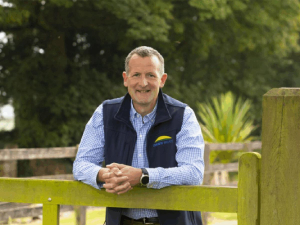
Developed by South Canterbury vet Ryan Luckman, DAGI draws on his firsthand experience helping farmers tackle parasite issues.
"The idea with DAGI is to let the app do the heavy lifting, so you can just go out and farm," Luckman says.
"By applying Wormwise principles with DAGI, you'll be able to grow lambs faster, use less drench, and improve the long-term sustainability of your farm."
The tool integrates real-time data from multiple sources to create a heatmap of your farm - showing paddocks at highest parasite and resistance risk - to support smarter grazing decisions, reduce drench use, and slow the development of drench resistance. The goal; better animal performance and farm productivity.
Developed over 18 months, DAGI will be piloted on around 100 farms in its beta phase. Farmers can take part for $600/year, with pricing expected to rise to $1,000/year after the full launch. Beta participants will have access to support materials including video tutorials but are also recommended to seek expert advice from their local vet in applying the Wormwise principles.
Dr Cara Brosnahan, principal scientist animal health research at B+LNZ says tools like DAGI are vital for the future.
"DAGI brings science and technology together to give farmers practical, real-time insights," she says. "It could make managing parasite resistance so much easier, with all the info you need just a tap away."
The app has already drawn attention from farmers, including Lydia Cranston, who saw a live demo at a recent B+LNZ Farmer Research Advisory Group meeting.
"It's great to see vets like Ryan developing tools that help us use drench more appropriately, maximise performance, and minimise resistance," she says.
DAGI complements existing tools like the SmartWorm app, working alongside them to further reduce drench dependency, improve animal health, and support more sustainable farming.
"The ability to use real-time data for parasite management is the future of farming," Dr Brosnahan adds. "DAGI will help reduce costs, improve animal health, and support smarter, long-term decision-making."
Luckman is eager to hear from farmers during the beta rollout.
"DAGI is about putting control back in farmers' hands," he says.
"The more feedback we get from real-world use, the better we can make the tool for farmers across New Zealand."