
Pāmu FY26 Report: Profit More Than Doubles to $113m
Pāmu has released its FY26 Integrated Annual Report, reporting a Net Operating Profit of $113 million, more than double the $49 million recorded in FY25.




 increase font size
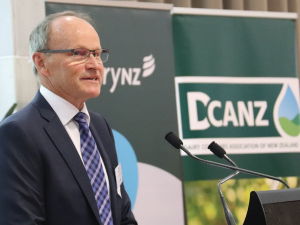
 Landcorp CEO Steven Carden.
State farmer Landcorp is reviewing its full-year profit forecast in the face of a lower milk payout and dry weather.
The company turned over $109.8m and made a net profit of $1m for the six months to December 31 last year; it forecasts a full year profit of $1m-$6m.
But chief executive Steven Carden says the first six months had been challenging and the full-year profit is now under review.
“A result like this will come as no surprise given the milk price and drought challenges. However, we have cushioned the impact of these external factors by anticipating them early. One example is our support of the Fonterra guaranteed milk price scheme and another is our proactive livestock management around the country ahead of the drought.”
Fonterra’s offer in June last year to buy 40 million kgMS at a guaranteed price was well under-subscribed; this saw Fonterra’s then-season forecast price of $7/kgMS applied, a happy outcome for farmers who pitched to supply a total of 25 million kgMS, and who then saw the forecast nosedive to $4.70kgMS.
But not all Landcorp milk is supplied to Fonterra.
The fall in milk prices has significantly impacted revenue, says Carden. However, the company remains on track for a modest profit.
“These first six months have seen us open new dairy units in Taupo and we have achieved our second-highest lambing percentage in our North Island livestock business.
“We’re continuing our efforts to increase yields, reduce costs across our operations and create capacity to invest in our people and environment programmes. We’ve eliminated a layer of farm management in Wellington, increased decisionmaking at the farm level and the new FarmIQ Farm Management software system is creating some incredible gains throughout our livestock business.
“Flourishing in a highly volatile world means maintaining a diverse portfolio of other species farmed. We plan to refocus our traditional beef, lamb and venison products around particular customers and we’re trialling new higher-value sales opportunities in sheep milk, deer leather and manuka honey.
“Across all our products we’re after customers in niche markets with specific requirements.
“We’ve also taken significant steps to improve the marketing of our products. For example, our partnership with New Zealand Merino to market our entire coarse wool clip gives us a direct relationship with some well-known consumer brands,” Carden says.
Pāmu has released its FY26 Integrated Annual Report, reporting a Net Operating Profit of $113 million, more than double the $49 million recorded in FY25.

A partnership between state-owned enterprise Pāmu (Landcorp Farming Limited) and charity Meet the Need is putting more than quality New Zealand beef into food bank parcels this year.
State farmer Pamu has delivered its strongest operating result on record.
State farmer Pāmu (Landcorp) has announced it will pay a $10 million special dividend to the Crown off the back of a strong outlook for the business and a capital repayment of $9.5 million following Fonterra's consumer business sale.
The Government has appointed three new members to the board of state farmer Landcorp Farming Ltd, trading as Pāmu.


Dairy processors are ready to further boost New Zealand’s export earnings but want the incoming government to match their ambition with good policy.

Massey University is best placed to solve the “problems” facing the dairy industry, says vice chancellor, Pierre Venter.
Synlait's longest serving employee – a man who joined the Canterbury-based milk processor even before it began processing milk – is now its newest executive.
A dairy industry leader believes eradicating the common and costly disease, Bovine Viral Diarrhoea (BVD) is within reach.
A farmgate milk price of $10/kgMS this season is firming up as milk powder prices soar and the New Zealand dollar weakens.
Federated Farmers has welcomed new rural policies released by ACT, saying they align closely with its own election priorities.





OPINION: The same mainstream media muppets that brought you Jacindamania in 2017 have been flat out pimping for the Opportunities…
OPINION: Your old mate reckons the atrocious way farmers in the UK are treated by their lords and masters in…




