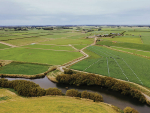
McRae Wins Southern South Island B+LNZ Director Vote
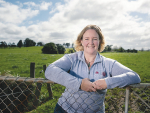
Matt McRae, a farmer from Mokoreta in Southland who runs a sheep, beef and dairy support business alongside a sheep stud, has been elected to the Beef +Lamb NZ Board as a farmer director.




 increase font size
 The report claims that NZ is one of the most efficient whole life-cycle producers of beef and lamb in the world.
A report from Beef + Lamb New Zealand highlights the role NZ-produced red meat has to play in a sustainable diet.
The Role of Red Meat in Healthy and Sustainable New Zealand Diets, the report's fourth iteration, was released on 27 November.
It assessed evidence regarding nutrition and the environment in relation to New Zealand beef and lamb.
"The role red meat plays in the diets of Kiwis has received plenty of consideration over recent years," said Fiona Windle, head of nutrition at Beef + Lamb New Zealand (BLNZ).
She says the report aims to provide a New Zealand-centric analysis of available evidence to inform people about red meat's role in diets.
Windle says it will "bring balance to a discourse that has too often become binary and, at times, unconstructive."
The report claims that New Zealand is one of the most efficient whole life-cycle producers of beef and lamb in the world.
It points out that New Zealand's carbon emissions per kilogram of beef or lamb produced are about 25% of the global average.
BLNZ chief executive Sam McIvor says Kiwis need to be aware of how different New Zealand's farming methods are from those used overseas.
He says that the sector is well on its way towards achieving its goal of being carbon neutral by 2050.
McIvor says one of the reasons for this is the amount of carbon-sequestering vegetation on sheep and beef farms, which offsets between 63 and 118% of emissions.
"A huge amount of work has been done by farmers over the last couple of decades to protect and enhance the vegetation on their farms," he explains.
"We encourage Kiwis to find out more about how their food is produced, because sheep and beef farming stacks up well on key criteria such as environmental impact."
Matt McRae, a farmer from Mokoreta in Southland who runs a sheep, beef and dairy support business alongside a sheep stud, has been elected to the Beef +Lamb NZ Board as a farmer director.

Ospri is reducing TB testing frequencies and movement control measures as the disease risk subsidies in parts of the country.
Southland farmer and director Tony Cleland has been named OSPRI New Zealand’s new chair.
The red meat sector is poised for a strong rebound this season, with export receipts forecast to top $10 billion and farm profitability to almost double.
Progeny testing at Pāmu’s Kepler farm in Southland as part of Beef + Lamb New Zealand’s Informing New Zealand Beef programme is showing that the benefits of hybrid vigour could have a massive impact on the future of beef breeding.


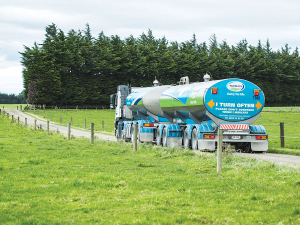
Fonterra board members are in line for a pay rise of around 3%.
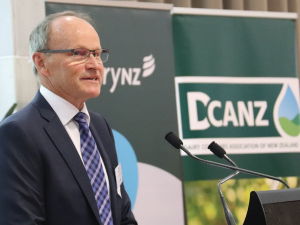
Dairy processors are ready to further boost New Zealand’s export earnings but want the incoming government to match their ambition with good policy.
Massey University is best placed to solve the “problems” facing the dairy industry, says vice chancellor, Pierre Venter.
Synlait's longest serving employee – a man who joined the Canterbury-based milk processor even before it began processing milk – is now its newest executive.
A dairy industry leader believes eradicating the common and costly disease, Bovine Viral Diarrhoea (BVD) is within reach.
A farmgate milk price of $10/kgMS this season is firming up as milk powder prices soar and the New Zealand dollar weakens.

OPINION: The same mainstream media muppets that brought you Jacindamania in 2017 have been flat out pimping for the Opportunities…
OPINION: Your old mate reckons the atrocious way farmers in the UK are treated by their lords and masters in…




