Don’t forget to vote
TAKE TIME out of your busy work schedule on-farm and vote in the meat co-op director elections.




 increase font size

THE TWO major meat cooperatives must build more bridges with farmer owners, says ANZ managing director commercial and agri Graham Turley.
He points out that farmer lobby MIE is made up of owners of both co-ops – Alliance and Silver Fern Farms. Yet the co-ops’ management and MIE are “acting like two different organisations,” he says.
“So, fundamentally there is a collaboration or communication issue there,” he told Rural News last week at the launch of the ANZ Privately Owned Business Barometer in Auckland.
“For those businesses to actually have a step change and be more successful offshore, they need to be successful onshore – in their own marketplace first. A number of bridges need to be built and there must be a lot more collaboration and more transparency. There are models out there which work so farmers and the meat co-ops need to work together.”
Profitability and scale is one focus of the ANZ Privately Owned Business Barometer for farmers in building a sustainable platform for long-term growth. The other two are people and planning, and investment.
Turley says it’s not being the biggest player that matters, but being the most profitable. “It’s not about having the most cows but making the most money from those cows.”
For the meat sector, forming a mega meat co-op may not be the answer. It doesn’t matter whether you have a big or small co-op, Turley says.
“Neither is right, neither is wrong….the key issue is to understand what you are. It’s about knowing what your consumer and your market is, where your supply comes from, having a good supply chain and making sure they are all working together.”
For small businesses, it’s about getting the resources of the bigger entity without being big, he adds.
Turley says an emerging focus on profitability represents a shift in thinking that’s driving the decision-making of leaders in all sectors of agribusiness.
This signals a move from farming for capital gain based on land acquisition, to decision-making focused more on investment. This new model is more concerned with cashflow and sustainable growth, and has a strong focus on returns.
“More farmers across all agri sectors are now talking about profit performance, where before they talked about hectares, stock numbers and production numbers,” he says.
However, scale and productivity still have a role. Turley says lack of scale in red meat, wool, vegetable and some horticultural sectors is restraining growth, partly because smaller businesses have less opportunity to introduce broader skills.
“Greater collaboration and learning from the success of others can help unlock potential.”
Turley says exporters should not be trying to beat each other offshore, but help each other offshore. “We have to harness scale, become the Team NZ in the business sense.”
TAKE TIME out of your busy work schedule on-farm and vote in the meat co-op director elections.
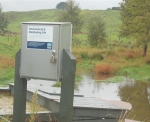
FERTILISER CO-OP Ravensdown has put together a team of consultants to advise farmers on environmental issues.
C-DAX HAS won a 2011 Innovators Award for the pasture meter it developed with Massey University.

Farmer-owned fertiliser company, Ballance Agri Nutrients is welcoming National’s plan to negotiate security agreements with key supplier countries to protect New Zealand-bound products from export restrictions and greater supply chain certainty.

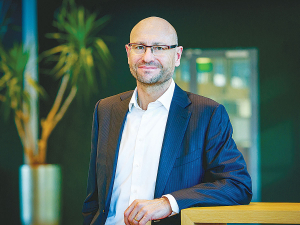
Carrfields has announced the appointment of Stu Hall to the newly created role of chief operating officer, Carrfields Ltd, reflecting the continued growth of their agribusinesses and the need to ensure the company has the leadership capacity and support in place as it pursues the emerging opportunities ahead.
New Zealand's role is not to compete with Indian growers, according to NZ Apples and Pears.
The potato industry is celebrating the success of two rising stars - James Blair, the 2026 Young Grower of the Year and runner-up and innovation award winner, Amber Davy.
Twenty-eight emerging leaders from across the horticulture sector spent two days last month learning valuable skills and connecting with industry experts.
There are five entrants in this year’s Young Horticulturist of the Year, competing in a series of technical, practical, business and leadership challenges.




OPINION: The same mainstream media muppets that brought you Jacindamania in 2017 have been flat out pimping for the Opportunities…
OPINION: Your old mate reckons the atrocious way farmers in the UK are treated by their lords and masters in…