Thursday, 07 May 2026 17:55

LIC Expands Into Indonesia With First Dairy Genetics Sale

Written by  Staff Reporters
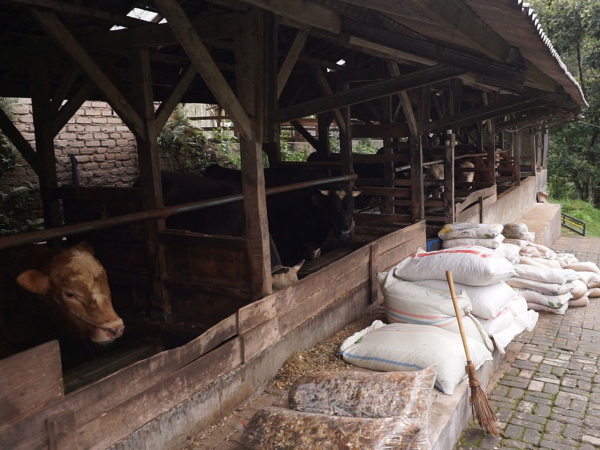
Cows housed on a Lembang smallholder farm, south-east of Jakarta. Cows housed on a Lembang smallholder farm, south-east of Jakarta.

Herd improvement company LIC has entered the Indonesian market.

The farmer-owned co-operative has confirmed a distributor in Indonesia and secured its first genetics sale.

Strategic Expansion Into South East Asia

The agreement comes as Indonesia looks to increase domestic milk production, supported by a government-backed programme to provide nutritious meals, including milk, to school children.

LIC’s general manager of international, Paul Dunbar, says the distributorship reflects growing demand to support Indonesia’s dairy industry through improved herd performance.

“Indonesia has clear ambitions for its dairy sector, and LIC genetics provide a proven pathway to help lift productivity.” 

Strengthening New Zealand Dairy Expertise Abroad

Dunbar says expanding into international markets allows LIC to stay close to emerging global trends while also delivering value back to New Zealand farmers.

“Our focus is on producing the best pasture-based genetics in the world. Where there’s a clear fit, we can deliver value for farmers offshore while continuing to support our farmer shareholders at home.”

Indonesia is the fourth most populous country in the world with more than 287 million people, and a dairy industry on the rise. Milk production exceeded 550 million litres in 2025, with further growth expected in 2026.


More like this

BVD Control in Dairy Herds: How to Find & Remove PI Animals

Bovine Viral Diarrhoea (BVD) is estimated to cost New Zealand's dairy and beef industries more than $150 million every year, yet many of the tools needed to control it are already well understood. After more than 25 years in veterinary practice, Andrew Weir, animal health technical specialist at LIC, has seen firsthand the impact BVD can have on herd performance. We asked him about the role of persistently infected (PI) animals and the practical steps farmers can take to reduce their risk.

Featured

Sharemilkers Credit DairyBase Tool for Staffing Decisions

Signing up to a benchmarking tool is not about competition, but about improving collectively, says Ximena Puig and Alvaro Luzardo who are 50-50 sharemilkers at a 164-hectare (effective) dairy farm in Eketāhuna in the Lower North Island.

National

Machinery & Products


» Latest Print Issues Online

The Hound

True Reflection?

A fair question has been raised about how member-funded organisations should conduct themselves when taking a public position on any…

Civil Circus!

OPINION: It really is getting harder to lampoon government bureaucrats when they do such a good job of it themselves.…

» Connect with Rural News

» eNewsletter

Subscribe to our weekly newsletter