Friday, 07 November 2014 00:00

Hill country irrigation guide

Written by 

IRRIGATIONNZ, WITH MPI Sustainable Farming Fund, AgResearch, Landcare Research and Aqualinc, has produced a guide to irrigating steeper slopes.

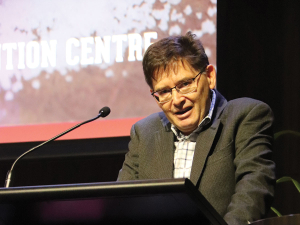
 “Achieving efficient irrigation on hill country is more challenging than on flat land and demands a greater level of skill, as well as design tailored to the property,” says IrrigationNZ project manager Paul Reese.

“The critical challenge is to keep the water in the plant root zone avoiding and minimising run-off. Our guide book offers solutions to these problems, alongside a review of the relative merits of the different methods of irrigation that suit hill slopes in New Zealand.”

Central and North Otago, Canterbury’s foothills and eastern parts the North Island have all seen growth in irrigation on sloping ground covering a wide variety of crops and pasture, he notes.

The ‘Hill Country Irrigation Guidebook’ was launched at IrrigationNZ’s ‘Great Irrigation Challenge’ training and education event in Ashburton in October.

More like this

From Advocacy to Action

For years, IrrigationNZ has called for a coordinated national approach to water security, backed by enabling regulation, strategic infrastructure investment and sound technical practice. As the 2026 general election approaches, many of these priorities are now reflected in political commitments and legislative reforms. That represents significant progress, but the real measure of success will be turning policy into practical outcomes, says IrrigationNZ principal technical officer Stephen McNally.
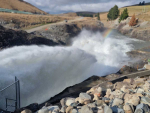

Opuha Dam Commissions New Valve in Major Flood Safety Upgrade

Opuha Dam's ability to protect South Canterbury communities from major flooding has taken a significant step forward, with Opuha Water Limited (OWL) successfully commissioning a new outlet valve capable of releasing record volumes of water from the dam ahead of a weather event.

IrrigationNZ warns RMA reform may miss water needs

Irrigation NZ is warning that the government's Resource Management Act (RMA) reform risks falling short of its objectives unless water use for food production and water storage infrastructure are clearly recognised in the goals at the top of the new system.

Featured

Students' Strobe Light Targets Nesting Birds in Tractors

During the nesting season, from September to December, industrious starlings can quickly build nests in the darker areas behind tractor and vehicle, usually close to hot engines, typically resulting in localised damage or in some cases complete write-offs.

NZ Tractor Deliveries Up 5% Year to Date to September

With the last couple of months having seen some potential tractor purchases put on hold with the impending election and continued input cost rises, year-to-date figures, ending September, has seen deliveries up around 5% over the same period in 2025, with a total of 2026 units.

MPI's Diana Reaich on Non-Tariff Barriers and Trade Access

The head of the Ministry for Primary Industries (MPI) trade and international relations group says New Zealand is well-positioned to secure trade access and compete internationally as the world becomes more complicated, demanding and uncertain.

National

Machinery & Products

Claas Balers Turn 30

Claas built its first variable chamber round baler - the Variant 100 - in 1996, so 2026 marks 30 years…

» Latest Print Issues Online

The Hound

'LinkedIn Greens'

OPINION: The same mainstream media muppets that brought you Jacindamania in 2017 have been flat out pimping for the Opportunities…

UK Warning

OPINION: Your old mate reckons the atrocious way farmers in the UK are treated by their lords and masters in…

» Connect with Rural News

» eNewsletter

Subscribe to our weekly newsletter