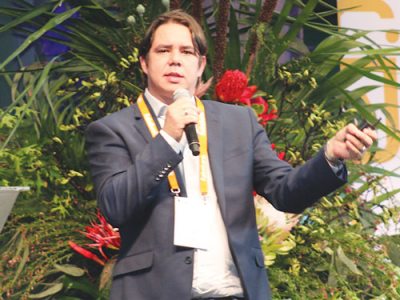
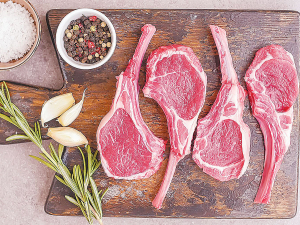
Producing specialist beef is like developing a fine wine, says Pedro Merola, founder of Brazilian specialist beef company Feed.
The fourth-generation farmer says Feed is showing a new way to produce meat in Brazil. And it’s delivering much better returns to its farmers.
“We believe we can do different things and serve different markets,” he told the recent Rabobank Farm2Fork conference in Sydney, attended by Rural News.
Merola believes the relationship between farmers, retail stores and consumers can be improved. Feed’s goal is to begin a relationship with its consumers for life. They aim to improve consumers’ day-to-day relationship with food in the home.
They started nine years ago on a farm producing the “Feed difference” and opened a retail store two and a half years ago.
A breed common to Brazil called Nelor, which suits the country’s environment, was crossed with Angus and other superior meat breeds. The company aims for perfection in the genetics to ensure the animals produce the best flavour.
The cattle are grass fed, but get supplementary feed until 22 months or 600-650kg.
They are finished on feedlots for the last 100 days.
Producing the beef is just the start of the business, he says. The customer has to understand the taste difference, “so you aim for experiences like wine tasting”.
They have developed a “shopping experience” in their city – Sao Paulo. It is a flagship store for their meat and other things to use in cooking.
“We are not trying to be a supermarket,” Merola says. “We are a meat shop and have everything there for the guy who spends 30 minutes walking around.
“They can learn more, talk with our employees and improve their satisfaction in the home with the meat and how to cook it differently.”
The store also serves meals and holds functions, “to make the people feel more alive and have more fun with us”.
The company offers consumers various channels for contact: an app available from this month, a call service and delivery time of just two hours.
Merola says you have to love what you do. “For me producing food, being a farmer and helping people eat better… you do it because you like it very much,” he told Rural News.
“For us to produce beef is like producing wine – we have different types of animals; they eat differently, but even with all the controls each will taste a little bit different.
“We have a price based on what kind of meat [the farmer] delivers to us. That’s how much they get… more for what we call ‘reserve’.
“You know ‘reserve’ wine? We have that for meat too. We have, say, 100 animals: 10 of them are perfect and they are ‘reserve’. They pay more for them.”
• Rural News reporter Pam Tipa attended the Rabobank F2F conference in Sydney courtesy of Rabobank.