NZ Milk Price Could Hit $10/kgMS as Global Supply Eases
A 'tsunami' of milk from key exporting countries is winding down and this may be good news for New Zealand dairy farmers.




 increase font size
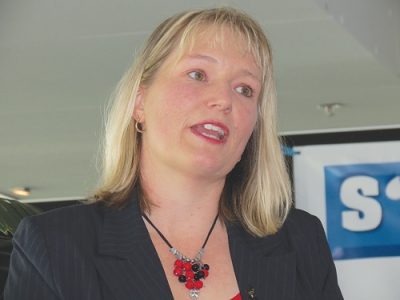 Rabobank’s Hayley Moynihan.
Beef prices have entered a “structural change” and are likely to stay 20-30% above historical averages, Rabobank’s Hayley Moynihan says.
“The US beef cycle is dead. I am not a big believer in cycles anymore in terms of agricultural markets. I don’t think we have cycles anymore and certainly the US beef cycle has been dead for about 10 years,” Moynihan, director of dairy research for NZ & Asia, said in answer to a question on beef prices at the DairyNZ Farmers Forum in Kerikeri.
“They have been in a state of constant decline with their cattle numbers. That said, grain prices are so low that there is a rebuilding phase starting to happen. That will happen for the next two to three years. But we are not going to see a huge lift in numbers. That market will remain very, very tight.”
Moynihan said beef prices have entered a structural change similar to that seen in dairy in 2006-2007. “We are now in a new price bracket because there is just not enough cattle around. To cover costs of production and incentivise production of beef we will have to stay at high levels historically. Not at the peaks we saw last year but certainly at 20-30% above historic averages.”
She said dairy beef doesn’t influence the market in the US to quite the same extent as here.
“US dairy farmers are a bit more opportunistic about cows and beef prices and certainly took advantage of it late last year. I met with a dairy farmer who was out here earlier this year and they were saying they could actually bring heifers into the dairy herd and make a cash gain on what they were selling the cull cows for.
“They were getting about US$2000 for a cull cow and with the cost of rearing and bringing the heifers in they were getting about US$300 a head cash gain which is extraordinary.”
That won’t last forever but it illustrates how opportunistic they are about replacements, she said.
A 'tsunami' of milk from key exporting countries is winding down and this may be good news for New Zealand dairy farmers.

Chinese beef trade quotas and a looming suspension of Brazilian beef imports into the European Union are expected to reshape global beef trade flows over the remainder of 2026, with implications for New Zealand exporters, according to Rabobank's Q3 Global Beef Quarterly report.
New Zealand consumers are paying more for beef mince than ever before, with the average retail price now sitting above $24 per kilogram, according to Rabobank.
Bovine Viral Diarrhoea (BVD) is sometimes viewed as a dairy industry issue, but the reality is that the disease can have serious consequences for beef breeding herds as well.
West Otago dairy farmer Luke Kane has been awarded the 2026 Rabobank Dr John Morris Business Development Prize.


Entries opened on Monday, 5 October 2026 for the 2027 New Zealand Dairy Industry Awards (NZDIA), which organisers describe as the nation's biggest celebration of excellence in the dairy sector.
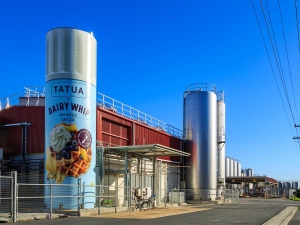
Waikato milk processor Tatua has again declared a record milk payout to farmer shareholders, leaving other processors in the dust.
A Labour-led Government won’t be bringing back the controversial freshwater rules of 2020.
National’s much-touted free trade deal with India featured in the Rural Issues Debate at Mystery Creek, Hamilton on Wednesday night.
New Zealand's 2026-27 freshwater fishing season has opened, with anglers encouraged to head to rivers and lakes over the coming days as conditions look favourable across much of the country.
Central Otago District Council (CODC) has voted against a plan to spread treated sewage sludge from Cromwell and Alexandra on farmland near Lauder, a decision Federated Farmers says reflects strong opposition from rural residents.




OPINION: The same mainstream media muppets that brought you Jacindamania in 2017 have been flat out pimping for the Opportunities…
OPINION: Your old mate reckons the atrocious way farmers in the UK are treated by their lords and masters in…