
Massey VC Says University Best Placed to Support Dairy
Massey University is best placed to solve the “problems” facing the dairy industry, says vice chancellor, Pierre Venter.




 increase font size
Scientists at Massey University have confirmed what farmers have known for years: cows do not like to walk uphill.
Their research, funded by Beef + Lamb NZ, investigates more sustainable farming practices for managing beef cows on hill country and around waterways.
Angus, Angus cross-Friesian and Angus cross-Jersey cows were monitored over two consecutive winters at the university’s Tuapaka farm to get baseline measurements of how the beef cows used the 8-12ha paddocks.
The research found that even in extensive hill country paddocks cows avoided walking uphill. Of the 3km they walked each day, less than 300m was uphill. Instead the cows followed the contours of the hills and concentrated their grazing on the flatter areas. The cows’ movements were largely unaffected by cold, wet weather.
Researchers say this confirms what farmers already know about feed requirements and grazing habits but gives them a baseline measure.
Massey University is best placed to solve the “problems” facing the dairy industry, says vice chancellor, Pierre Venter.

Vetekina Pau'u is the first Tongan to win the William Gearish Memorial prize and sadly she will also be the last recipient.
OPINION: Being a stock manager of a Government MP's farm can come in handy.
OPINION: Groundswell's opinion of the incumbent farm industry representatives isn't high.
Researchers at Massey University are using a special piece of scientific equipment to improve the measurement of greenhouse gas emissions from pasture soils.


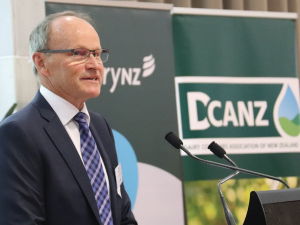
Dairy processors are ready to further boost New Zealand’s export earnings but want the incoming government to match their ambition with good policy.
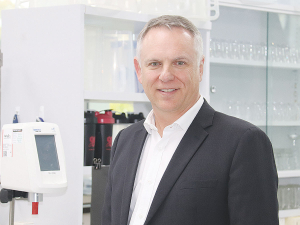
Massey University is best placed to solve the “problems” facing the dairy industry, says vice chancellor, Pierre Venter.
Synlait's longest serving employee – a man who joined the Canterbury-based milk processor even before it began processing milk – is now its newest executive.
A dairy industry leader believes eradicating the common and costly disease, Bovine Viral Diarrhoea (BVD) is within reach.
A farmgate milk price of $10/kgMS this season is firming up as milk powder prices soar and the New Zealand dollar weakens.
Federated Farmers has welcomed new rural policies released by ACT, saying they align closely with its own election priorities.



OPINION: It seems Canterbury processor Synlait is still in the doldrums.
OPINION: Get offside with New Zealand First leader Winston Peters at your own peril.




