How Trace Minerals Support Dairy Cow Recovery Pre-Mating
By September, pre-mating heat recording is underway on many spring-calving dairy farms.




 increase font size
 Don’t let the demand for the big 3 macro minerals catch you off-guard.
OPINION: Late lactation is often viewed as a low-demand phase, when cows are winding down, and we dial down our supplements accordingly.
However, this depends on the season, as many herds across the country are still producing strongly due to good weather and pasture growth. With this higher production, pregnancy advancement and changeable weather patterns, demand for the big three macro-minerals - magnesium, calcium and phosphorus - can catch farmers off-guard.
Mineral demand is often underestimated because it's assumed to be covered "in pasture" and "in the blend", but calculated intakes can still fall short, draining calcium and phosphorus reserves for next lactation and showing up as reduced production, poorer liveweight gain and feed conversion, weaker immunity, and more slips.
Mg needed daily
Magnesium is unforgiving because the cow cannot draw on storage when the diet is deficient. Blood magnesium depends on what is absorbed and excreted, so daily intake is important. Research is lactating cows shows high dietary potassium, common in pasture-based diets, can reduce magnesium absorption. This means cows can still come up short even when levels should be adequate.
Late lactation often brings the exact conditions that result in the magnesium problem: changing pasture, shifting supplement levels and uneven delivery.
If you rely on water dosing, check levels are adequate, and that water intakes are consistent. If dusting, check the application rate is adequate. If you run an in-shed system or feedout on a feedpad, check for adequate levels, calibration and cow access, and take particular note of shy feeders.
Magnesium issues can start as unsettled cows in the yard and shed, jumpy in the paddock, and, in some situations, a drop in appetite. If deficiency is suspected, it’s best to pull some bloods to check.
Ca during lactation
Calcium gets plenty of airtime at calving, yet lactation can also be a steady drain on reserves. Calcium leaves the cow through milk every day. Studies tracking blood calcium show how dietary levels affect balance and bone turnover during lactation. Pasture calcium levels can vary a lot through lactation and between farms.
Environmental factors, such as soil temperature, can also affect grass levels. Regular herbage tests throughout the season help ensure supplementation matches requirements. Once calcium stores are depleted, it will have a big impact on balance in the cow, which has flow-on effects with both magnesium and phosphorus.
In mid to late lactation, published calcium requirements range from 0.55–0.7% of the total diet. Aiming for the higher end will allow wiggle room for storage as milk production drops.
Late lactation is one of the periods where cows can start rebuilding skeletal reserves while still milking and carrying a calf. If calcium supply is short, the cow keeps borrowing from bone, affecting many cow functions, but particularly smooth muscle function. Smooth muscle is critical for rumination; this can impact rumen efficiency, also affecting teat-end closure, somatic cells, and clinical mastitis.
A simple back-of-the-envelope calculation to discover if you are meeting calcium requirements can prevent many potential health issues. If calcium intake is deficient, it will have many negative flow-on effects throughout the herd.
P needs and ration changes
Phosphorus supports energy metabolism and works closely with calcium. Both leave the cow through milk, so demand rises with output. A two-year study following lactating cows fed two phosphorus levels found higher phosphorus did not automatically lift milk or reproduction. The takeaway is “right amount, right situation”: phosphorus is essential, but overfeeding won’t increase milk or fertility, so accurate calculation is important.
Late lactation is where herds can move either way, so it’s important to get herbage tests done. Published phosphorus requirements in late lactation range from 0.28-0.32% of the total diet. At these levels, there should be enough left over to rebuild bone storage levels.
However, calcium levels must also be within range; if low, this will completely upset phosphorus utilisation and storage, giving you a false sense of security and increasing the risk of phosphorus issues at calving and peak lactation.
Eyeing Crops?
A crop change is a good time to redo the mineral profile. The base feed changes, cow intake can be variable, and the ration can end up short on magnesium, calcium or phosphorus without anyone meaning to. Treat the first two weeks on crop like a reset: confirm supplement delivery, test the crop and supporting feeds, and check that mineral supply still matches output.
Attention to basics pays off in late lactation. The gap between “should be in the diet” and “is getting into the cow” is often seen with magnesium, calcium and phosphorus. Close that gap early, spend less time guessing, and keep production steady for longer.
Three Checks
Three checks to run when late lactation performance drops:
Phosphorus Quality
Always look for a phosphorus supplement that delivers higher water-soluble levels of phosphorus.
A good supplement should deliver at least 75% of its P in water-soluble form, and preferably closer to 90%. Phosphorus is bound by calcium, so a lower calcium level in the supplement always increases watersoluble P.
By September, pre-mating heat recording is underway on many spring-calving dairy farms.
It's easy to look over a lush spring paddock and assume cows are getting enough usable nutrition. But while fast-growing pasture can give plenty of volume, in high moisture, variable dry matter and uneven mineral profile can leave real nutrition gaps when cows need it most.
There's a common assumption that effective transition cow management is only practical for high-input farms, as controlled rations can make delivery simpler.
When a cow goes down after calving, it is easy to blame the calving itself. Milk fever, calving stress, poor weather, bad luck. Yet many down cows are not caused by one dramatic event. They are the end result of poorly transitioned cows entering calving under nutritional pressure.
The dry period isn’t just a farm holiday but a chance to get your herd match-fit for calving and early lactation. If you treat it as a focused phase of preparation, recovery and capacity building, you’ll see the benefits when the cows return to milk.


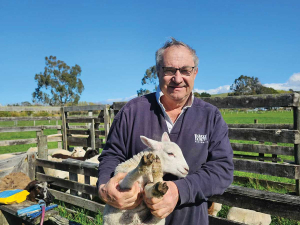
Decades piloting planes has ensured vet and farmer David Hayes is focused on safety. So, after a serious accident while welding on farm, he is sharing his experience so others can learn from it.

Canterbury milk processor, Synlait Milk has confirmed Leon Fung as its chief executive officer.
OPINION: Making it easier to collect rainwater and use it to grow crops and livestock is a no brainer.
As part of its Election 2026 coverage, Rural News asked political parties how they would help pull the arable sector out of the doldrums. Here's what they said:
Farmers are being encouraged to rethink how they manage waste on farm with the launch of ruralwastesorted.co.nz, a new website bringing together practical tips, real farmer experiences and resources.
New Zealand Winegrowers (NZW) is celebrating the India-New Zealand Free Trade Agreement (FTA) coming into force today, bringing New Zealand wine improved access to one of the world’s fastest-growing economies.



OPINION: It seems Canterbury processor Synlait is still in the doldrums.
OPINION: Get offside with New Zealand First leader Winston Peters at your own peril.




