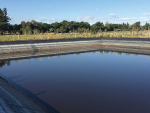
Dairy Effluent Management: Right Amount at the Right Time
Good effluent management on a dairy farm combines a well-designed system with proper processes to ensure the right amount of effluent gets applied to pasture at the right time.




 increase font size

EXHIBITORS AT the one-day Effluent Expo in Waikato last month say good farmer turnout shows demand for specific advice.
About 500 farmers attended, many wanting to discuss the cost of upgrading effluent systems and compliance issues.
AgFirst spokeswoman Kate Ody says farmers who visited its stand also enquired about construction of weeping wall and mechanical separation systems, and how to consider the different nutrient loading of different types of effluent.
“As always cost and compliance were key levels of concern. As we were also discussing water use within the farm dairy and how it can influence effluent systems, many inquries were about advice on completing the Variation 6 – water consent applications,” she told Dairy News.
Ody, who coordinated the first expo in 2011 as a Waikato Regional Council employee, suggests it may be time to hold two events every year.
“I still consider the expo to be a success but the demand for our accredited system designers [suggests] it’s time to move biannually for the event….
“However I see merit in having other singular focused events that farmers can be benefit from, perhaps something for the beef and sheep sector where resources for on farm advice are limited.”
Firestone Lining Systems product manager Vaughan Podbielski was also happy with the turnout. He says the drought was on the minds of farmers.
Podbielski says it will attend the “effluent focussed” annual event with Waikato Regional Council and wants other regional councils to hold similar events.
“The regional days, especially Mystery Creek, are good but often too generalised and do not deliver the same bang for your buck,” he says. “Therefore it was disappointing that ECAN decided not to host an effluent expo this year, but instead elected to incorporate it with the Lincoln Field Days.”
WRC spokesman Alan Campbell says the big turnout was a “very healthy” sign of the industry’s commitment to doing the right thing with effluent.
The expo had 44 exhibitors.
Good effluent management on a dairy farm combines a well-designed system with proper processes to ensure the right amount of effluent gets applied to pasture at the right time.
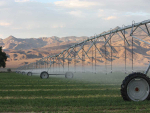
For years, IrrigationNZ has called for a coordinated national approach to water security, backed by enabling regulation, strategic infrastructure investment and sound technical practice. As the 2026 general election approaches, many of these priorities are now reflected in political commitments and legislative reforms. That represents significant progress, but the real measure of success will be turning policy into practical outcomes, says IrrigationNZ principal technical officer Stephen McNally.
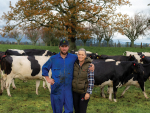
Tararua district farmer Jamie Harris milks around 400 cows using a split calving system on his farm, Crossdale Dairies.
Water management is an integral component of sustainable farming practices, according to Watermetrics.
Two farmers and two farming companies were recently convicted and fined a total of $108,000 for environmental offending.



During the nesting season, from September to December, industrious starlings can quickly build nests in the darker areas behind tractor and vehicle, usually close to hot engines, typically resulting in localised damage or in some cases complete write-offs.
The meat processing industry is much more collegial than it was in the past and is now more focused on common goals.
With the last couple of months having seen some potential tractor purchases put on hold with the impending election and continued input cost rises, year-to-date figures, ending September, has seen deliveries up around 5% over the same period in 2025, with a total of 2026 units.
Beef+Lamb New Zealand is calling for nominations for director roles in the Northern South Island and Northern North Island electoral districts.
Fonterra chief executive, Richard Allen says being resilient has helped the dairy industry overcome extreme volatility in recent years.
The head of the Ministry for Primary Industries (MPI) trade and international relations group says New Zealand is well-positioned to secure trade access and compete internationally as the world becomes more complicated, demanding and uncertain.

OPINION: It seems Canterbury processor Synlait is still in the doldrums.
OPINION: Get offside with New Zealand First leader Winston Peters at your own peril.




