Kiwifruit Growers Prepare for El Niño, Stay Optimistic
Kiwifruit growers are watchful but remain optimistic as concerns around the potential effects of the El Niño weather pattern this season.




 increase font size

DON’T EXPECT too much change from the present weather patterns, says weather expert Philip Duncan of weatherwatch.co.nz.
He told Dairy News the weather this year has been “pretty neutral” compared with previous years when either El Nino or La Nina have influenced the patterns. The present situation is a “healthy mix”, he says.
“There haven’t been any droughts officially declared so it hasn’t been quite as bad as other years because we’ve been getting the odd southerly which brings in a bit of rain.
“I agree farmers have had it bad but the rain we had 10 days ago really did a huge amount of good. It wasn’t a lot but it was enough to stop and reverse for a while the trend that was setting in.
“I saw the NIWA maps which completely reversed [the situation] a week earlier – when it looked like a drought was forming – to one which looked like we were in spring.”
Duncan says the rain that fell has averted a drought in the short term, but rain is needed within the next few days to avoid that happening again and there may be declared droughts in some regions in March.
“Unfortunately there is no rain predicted for the remainder of February, and for the start of March it’s looking a little bit dry as well. But these highs can’t stay with us forever and even if it is fairly dry for February and March I still think the rainmakers are going to come back.”
Duncan says the change in land use over the last 35 years has been massive – in particular the change to dairying. He says while sheep can probably survive better in a drought that’s not the case for cows.
“We feel droughts a lot more than we used to and we are now farming swamps that were sodden in winter but which dried out in summer. The Hauraki Plains area is the perfect example of that. I grew up in that area and the transformation I saw in that region in the 1990s was massive. Farming is more intensive and so it places greater demand on the water we’ve got in those areas.”
Duncan says the winds have been “all over the place” this summer, but he notes there have been a lot of easterly winds, more like La Nina.
“A lot of the highs coming in over the country have brought the hot westerlies to the South Island and the colder easterlies to the north. That’s the pattern we have had and I don’t see that changing quickly.
“When I said to someone that our summer would be average this year, they took that as a negative and as being not great. But in my terms average means there will be a little bit of rain but still plenty of sun.
“Generally the weather across the country has been pretty mixed up this summer with a bit of everything. The only thing we haven’t had is a lot of rain but even then we’ve had fronts coming through on a pretty regular basis, unlike some previous summers where we have had not one drop of rain for a month.”
According to Duncan summer has peaked early this year, around mid February, but he says that doesn’t mean it will end early. “We just did a report for Fonterra the other day and our feeling is that in the first week of March there is a chance of rain, but as far as the whole month is concerned we are just going to wind down from summer and slide into autumn.”
Kiwifruit growers are watchful but remain optimistic as concerns around the potential effects of the El Niño weather pattern this season.

OPINION: Succession and long-term planning are perennial topics because it is perpetually sidelined on busy farms.
OPINION: The stats speak for themselves.
Farms across the upper North Island are trialling different pasture mixes as part of a research programme that aims to build greater resilience into farming systems.
Election years are always a concerning time for farmers, according to DairyNZ chair Tracy Brown.

Mobile phone coverage and reliability are deteriorating in rural areas, and farming families are bearing the cost, according to a Federated Farmers survey.
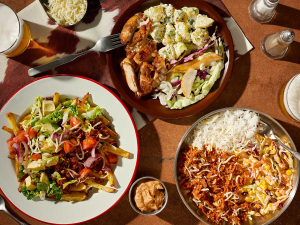
HelloFresh New Zealand has launched a limited-edition Country Cookout Box of Southern-inspired meals, arriving as the 2026/27 rodeo season gets underway.
Beef + Lamb New Zealand Incorporated (BLNZ Inc) is marking 40 years of promoting red meat to New Zealand consumers, citing its taste, family meals and nutritional benefits.
Pāmu has welcomed Taranaki student Paige Burston as its newest First Foundation Scholar, supporting her journey towards a career in agriculture and animal science.
Farmer-owned fertiliser company, Ballance Agri Nutrients is welcoming National’s plan to negotiate security agreements with key supplier countries to protect New Zealand-bound products from export restrictions and greater supply chain certainty.
Carrfields has announced the appointment of Stu Hall to the newly created role of chief operating officer, Carrfields Ltd, reflecting the continued growth of their agribusinesses and the need to ensure the company has the leadership capacity and support in place as it pursues the emerging opportunities ahead.



OPINION: It seems Canterbury processor Synlait is still in the doldrums.
OPINION: Get offside with New Zealand First leader Winston Peters at your own peril.