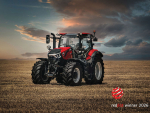
Case IH Unveils Next Generation Puma Series Tractors
Case IH has unveiled its redesigned next generation Puma Series tractors, said to offer improvements in connectivity, operator comfort, fuel efficiency and drivability.




 increase font size
 Large tractor sales down, Kiwis are buying more compact tractors.
Tractor sales are holding despite the dairy downturn, says NZ Tractor and Machinery Association president Mark Hamilton-Manns.
Second quarter tractor sales declined by 8.5% versus the same quarter last year.
Several segments increased however. The consumer segment grew 15%, as more Kiwis bought 20–60hp compact tractors for lifestyle blocks, hire fleets and some commercial applications.
The 121–140hp, 141–180hp and 181–250hp segments also grew by 39%, 116% and 125% respectively. These tractors are mostly used in arable and dry stock farming and by contractors.
Sales in Northland, Auckland, Bay of Plenty, Wairarapa and Nelson grew because of strong growth in horticulture and viticulture.
Sales in the dairy segment (100–120hp) declined by 15%.
"Dairy farmers are still buying," Hamilton-Manns says. "Our members have noticed they're taking longer to make decisions, and often choosing a machine with lower specifications. In some cases, cabs are considered a luxury and are gone from shopping lists.
"Dairy farmers are still prepared to purchase if there is a strong return on investment. Often replacing a tractor or machine will reduce annual expenditure as repairs and maintenance costs are generally less on a new machine and often covered by warranty. Newer tractors are also more fuel efficient."
"The consumer market is also competitive now, with great deals. But inexperienced consumers... buying machinery often underestimate the importance of the availability of parts, service and warranty support.
"A great deal upfront may be expensive later. Our advice is to buy from a recognised NZ dealer for sure access to parts and service."
The tightening dairy market is prompting tractor makers and retailers to provide training, aftermarket support and parts supply to help keep customers' machines operating, Hamilton-Manns says.
"And our manufacturers are investing heavily in R&D to meet off-road emissions regulations, integrate technology into machines and reduce operating costs."
Case IH has unveiled its redesigned next generation Puma Series tractors, said to offer improvements in connectivity, operator comfort, fuel efficiency and drivability.
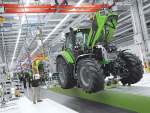
As we move into the second half of 2026, the Tractor and Machinery Association (TAMA) reports that Year-to-Date figures ending June 30 saw new tractor deliveries hitting 1,386 units or 10.7% ahead of the same period in 2025.
For the first three months of 2026, new tractor deliveries saw an increase over the previous two months, resulting in year-to-date deliveries climbing to 649 units - around 5% ahead of the same period in 2025.
New tractor deliveries for 2025 jumped 10% compared to the previous year, a reflection of the positive primary sector outlook, according to the Tractor and Machinery Association (TAMA).
As we move into the 2025/26 growing season, the Tractor and Machinery Association (TAMA) reports that the third quarter results for the year to date is showing that the stagnated tractor market of the last 18 months is showing signs of recovery.



Three men have been sentenced in District Courts after Ministry for Primary Industries prosecutions over animal welfare, food safety and cattle tracing offences.
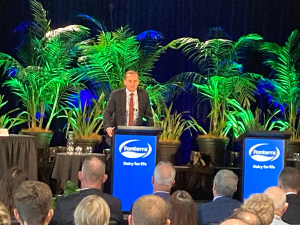
Fonterra’s 2026 financial year was a year of delivery, with record volumes of milk collected, processed and shipped by the co-op.
OPINION: The Government's decision to reinstate agriculture and horticultural science as a standalone subject from Year 11 is the right one.
Dairy farmers, still holding onto their Fonterra shares despite switching milk supply elsewhere or exiting the industry, now face a stricter share sell-down requirement.
Hamilton-based agritech company Aimer Farming has completed a $3 million capital raise to support its next stage of growth, including a beef farming product due to launch in 2027.
When dairy manager Miriam Lauridsen learned the farm, she was joining held weekly health and safety meetings, she initially thought that was “a bit over the top”. Experiencing that culture changed her mind.
OPINION: It seems Canterbury processor Synlait is still in the doldrums.
OPINION: Get offside with New Zealand First leader Winston Peters at your own peril.




