
India FTA Removes 33% Tariff on NZ Sheepmeat
New Zealand’s red meat sector has welcomed the India-New Zealand Free Trade Agreement taking effect, which removes India’s 33% tariff on New Zealand sheepmeat.




 increase font size
 The Land and Water Forum (LAWF) is proposing time limits for farmers to fence waterways on their properties.
The Land and Water Forum (LAWF) is proposing time limits for farmers to fence waterways on their properties, with dairy farmers among the first to be affected.
A report by LAWF makes 60 recommendations; one on fresh water quality proposes that all 'intensive' farmers exclude stock from waterways. This is critical economically and environmentally, LAWF says.
From mid 2017 dairy cattle must be excluded from waterways, grazing owned by a dairy farmer by 2020 and third-party dairy grazing by 2025. This is also the date for intensively farmed beef and deer to be excluded. Pigs were to have been excluded by mid 2015.
Primary Industries Minister Nathan Guy says the report talks about some flexibility on animals on steep hill country.
"So we need to have a consultation period on this early next year," he told Dairy News.
"The Government hasn't firmed up on some of the detail including how far and how fast this will happen. But I think these guidelines are something we could live with.
"Dairy farmers have come a long way in a short time. About 96% of them have stock excluded. When I last had a look the fencing done was roughly equivalent to the distance between NZ and the UK and halfway back again," he says.
Guy says it's a challenge to get the last few percent of farmers to comply but he is optimistic they will do that. Farmers have seen these changes coming, won't be surprised at them and will accept them, he says.
In fairness, other intensive farmers on lowland areas should be faced with the same rules as dairy farmers, Guy says.
New Zealand’s red meat sector has welcomed the India-New Zealand Free Trade Agreement taking effect, which removes India’s 33% tariff on New Zealand sheepmeat.

New Zealand's role is not to compete with Indian growers, according to NZ Apples and Pears.
The red meat sector is in great heart.
There's been widespread support from the primary sector for the Government's announcement on changes to freshwater farm plans that come under the Natural Environment Bill, which is now set to replace the existing RMA.
As expected, the US has launched a safeguard investigation into lamb imports, a move that could impact New Zealand sheepmeat returns.


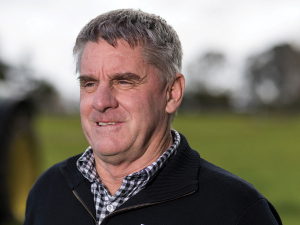
Federated Farmers has welcomed new rural policies released by ACT, saying they align closely with its own election priorities.

Rural Contractors NZ says proposed changes to land transport rules for agricultural vehicles are a welcome response by the Government to out of date regulations which have seen members hit with huge fines.
Alliance is calling for final applications for its 2027 Graduate Programme, with applications closing on Sunday 25 October.
Decades piloting planes has ensured vet and farmer David Hayes is focused on safety. So, after a serious accident while welding on farm, he is sharing his experience so others can learn from it.
Canterbury milk processor, Synlait Milk has confirmed Leon Fung as its chief executive officer.
OPINION: Making it easier to collect rainwater and use it to grow crops and livestock is a no brainer.


OPINION: It seems Canterbury processor Synlait is still in the doldrums.
OPINION: Get offside with New Zealand First leader Winston Peters at your own peril.




