Fonterra Elections 2026: Voting Opens Tuesday 20 October
Fonterra shareholders can begin voting on Tuesday 20 October in the 2026 Board of Directors’ election, a Co-operative Council election in one Ward, and seven Annual Meeting resolutions.




 increase font size
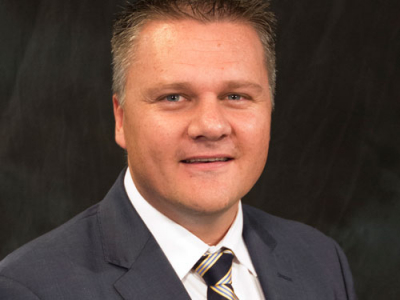 Confirmation of Miles Hurrell as chief executive would be a step in the right direction.
OPINION: Fonterra shareholders are starting 2019 with high expectations.
Most farmers’ New Year resolution will be to continue producing milk sustainably and efficiently in the hope that global milk prices will firm.
However, looming large on their minds will be the state of their cooperative; the bottom line is Fonterra cannot afford to lose money this year after its $196 million loss in 2018 – its first ever.
Frustrated farmers have watched the board and management fail to contain the co-op’s disastrous foray into China Farms and Beingmate Food.
At home, Fonterra is losing milk supply to rivals and continues to play second fiddle to smaller processors when it comes to the milk payout battle. Thus, farmer shareholders seeking real change in their co-op focussed intently on last year’s board elections.
In what could be best described as a slap in the face to both the board and shareholders council, farmers rejected two of their three nominees for directorship.
The first director election saw shareholders back the board and council’s choice, Peter McBride, a respected agribusiness leader. However, they rejected the other two official nominees; sitting director Ashley Waugh and Maori agribusiness leader Jamie Tuuta.
Instead farmer shareholders voted in outspoken former director Leonie Guiney. In the second election, Canterbury farmer John Nicholls beat Tuuta for the third seat.
Fonterra shareholders have realised that change must start with the board; the old boys club from the early days of Fonterra’s formation needs to go. Current chairman John Monaghan, on the board since 2008, isn’t exactly the breath of fresh air that the co-op needs.
Shareholders may want a new chair with strong leadership skills, alongside a revitalised and broadened board with a more disciplined and collaborative culture.
A re-look at the director election process would also restore some confidence among shareholders on governance.
There are some signs that Fonterra is changing. Confirmation of Miles Hurrell as chief executive would be a step in the right direction. New auditors will be in place at the co-op next year.
A review of the co-op’s assets is underway and shareholders can expect Beingmate and other non-performing assets to go. Fonterra is not out of the woods, but farmers will be hoping that 2019 won’t be bad as last year.
Fonterra shareholders can begin voting on Tuesday 20 October in the 2026 Board of Directors’ election, a Co-operative Council election in one Ward, and seven Annual Meeting resolutions.

Fonterra Co-operative Group chief financial officer Andrew Murray has resigned to take up a role outside the dairy giant.
Four candidates have been confirmed for two director positions on Fonterra’s board.
A record farmgate milk price and strong global demand is laying the foundation for continued growth of organic dairy farming in New Zealand.
Waikato milk processor Tatua has again declared a record milk payout to farmer shareholders, leaving other processors in the dust.



Federated Farmers has welcomed new rural policies released by ACT, saying they align closely with its own election priorities.

Rural Contractors NZ says proposed changes to land transport rules for agricultural vehicles are a welcome response by the Government to out of date regulations which have seen members hit with huge fines.
Alliance is calling for final applications for its 2027 Graduate Programme, with applications closing on Sunday 25 October.
Decades piloting planes has ensured vet and farmer David Hayes is focused on safety. So, after a serious accident while welding on farm, he is sharing his experience so others can learn from it.
Canterbury milk processor, Synlait Milk has confirmed Leon Fung as its chief executive officer.
OPINION: Making it easier to collect rainwater and use it to grow crops and livestock is a no brainer.

OPINION: The same mainstream media muppets that brought you Jacindamania in 2017 have been flat out pimping for the Opportunities…
OPINION: Your old mate reckons the atrocious way farmers in the UK are treated by their lords and masters in…




