OPINION: More and more farmers around the country are doing the right things in regard to environmental management.
Recent reports by a number of regional councils around NZ show positive results when it comes to managing effluent on farms. Meanwhile, despite winter grazing practices across the country coming under the microscope, there have been few reports of major breaches of the regulations. This is even more remarkable considering the flooding experienced in some regions.
For years, governments, councils, environmentalists, activists et el have been pushing for the agricultural sector to lift its environmental game. The evidence shows that farmers are responding and responding well!
However, anyone reading, listening or viewing mainstream media in NZ could be forgiven for thinking that the opposite is occurring. Every sector has its slackers, those who are not doing the right things, and farming is no exception. The industry, including farmers themselves, must continue to come down hard on those who let the whole sector down.
NZ’s agriculture sector cannot, and should not, tolerate farmers whose actions put our international reputation at risk. They either need to lift their game immediately or get out of farming. Despite, these laggards being a very minor part of the industry, the damage they do is huge. But it has to be remembered they are a very small – and shrinking – minority.
However, such incidents need to put into perspective and not be used as a stick to beat the whole agricultural sector with. Does the media label the entire teaching profession ‘sex pests’ when a couple of teachers are exposed for having inappropriate relationships with pupils or the legal sector corrupt when a rogue lawyer or two embezzles their clients’ funds?
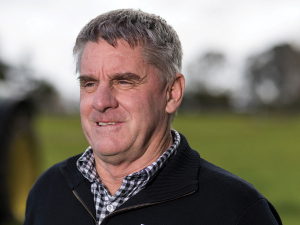
As Waikato farmer Andrew McGiven says, these positive results reflects the great work farmers have been doing around environmental sustainability.
“It would be great to have these good news stories being promoted more through other media outlets, instead of the normal farmer papers.”
NZ farmers and the wider agricultural sector can take a bow for the work they are doing on the environmental front. While the work is not finished, and it never will be, there is a good story to be told – it is just a pity some media refuse to tell it!