Final call for Alliance’s 2027 Graduate Programme
Alliance is calling for final applications for its 2027 Graduate Programme, with applications closing on Sunday 25 October.




 increase font size
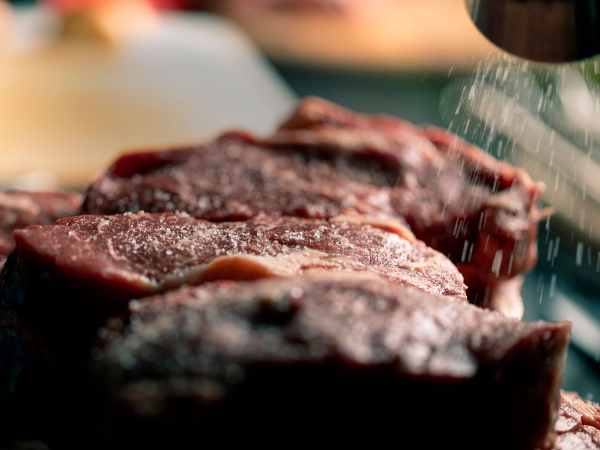 The US overtook China as New Zealand’s largest red meat market for April.
OPINION: Is the gloss coming off China’s status as the number one export market for New Zealand primary exports?
Last week, the US overtook China as New Zealand’s largest red meat market for April. It was a significant development because China has consistently been New Zealand’s largest meat market since July 2018, except for February 2020 when there was a significant drop at the start of the Covid pandemic.
It’s not only in red meat that China is our biggest market. China is the number one market for our dairy, accounting for nearly one-third of our dairy exports. When it comes to NZ log exports, China accounts for 89% of our total exports.
Speaking at the recent China Business Summit in Auckland, both Prime Minister Chris Luxon and Trade Minister Todd McClay spoke about the ‘China and….’ approach.
China remains a critical element in the Government’s strategy to double export value. With tariff free access for all New Zealand goods into China, and a burgeoning services trade, the economic relationship between the two countries continues to flourish. After all, we were the first country to sign a free trade agreement with China.
But as McClay points out, while NZ remains fundamentally committed to developing trade and economic relations with China, it is also vital that the country works to spread exposure across many markets, pursuing diversification and working hard to open as many doors as possible worldwide.
China’s economic slowdown has caused pain for some NZ exporters. Since Covid, China’s economy has failed to fire on all cylinders, although its economy grew a respectable 5.2% last year.
This underlines the importance of having a diversified export strategy. Such an approach is paying dividends for the red meat sector.
The Government knows that while China will remain a significant market, it must also be committed to a dynamic and energetic approach to the rest of the world and it’s rightly looking to the Middle East and India as potential trading partners.
Alliance is calling for final applications for its 2027 Graduate Programme, with applications closing on Sunday 25 October.
OPINION: Making it easier to collect rainwater and use it to grow crops and livestock is a no brainer.
OPINION: New health and safety guidance unveiled by the Government recently provides farmers greater certainty about what is expected of them when managing risks on farm.
OPINION: There could hardly be a more appropriate theme for a conference than the one chosen by the red meat sector - Navigating Volatility.
New Zealand's red meat and fifth-quarter exports reached $867 million in August, up 23% on the same month last year, as stronger returns lifted earnings across all major markets.


Federated Farmers has welcomed new rural policies released by ACT, saying they align closely with its own election priorities.

Rural Contractors NZ says proposed changes to land transport rules for agricultural vehicles are a welcome response by the Government to out of date regulations which have seen members hit with huge fines.
Alliance is calling for final applications for its 2027 Graduate Programme, with applications closing on Sunday 25 October.
Decades piloting planes has ensured vet and farmer David Hayes is focused on safety. So, after a serious accident while welding on farm, he is sharing his experience so others can learn from it.
Canterbury milk processor, Synlait Milk has confirmed Leon Fung as its chief executive officer.
OPINION: Making it easier to collect rainwater and use it to grow crops and livestock is a no brainer.



OPINION: The same mainstream media muppets that brought you Jacindamania in 2017 have been flat out pimping for the Opportunities…
OPINION: Your old mate reckons the atrocious way farmers in the UK are treated by their lords and masters in…




