Editorial: Working Together for Results
OPINION: New health and safety guidance unveiled by the Government recently provides farmers greater certainty about what is expected of them when managing risks on farm.




 increase font size
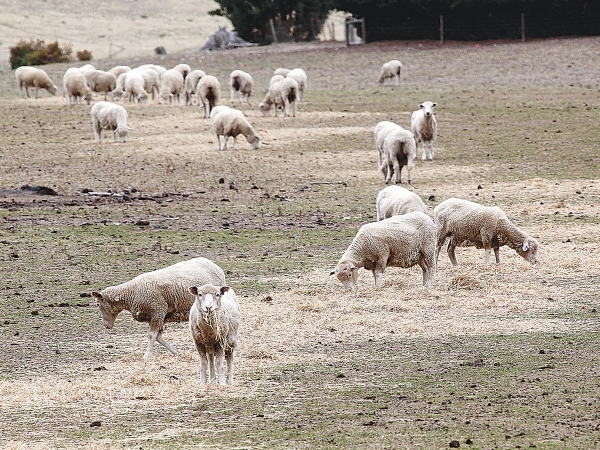 NIWA’s principal scientist Chris Brandolino warns that weather patterns are emerging that will likely cause the early arrival of El Nino.
OPINION: Plan for the worst and hope for the best!
This will be the mantra of many farmers up and down the east coast of the country as warnings come of a potential devastating drought hitting this summer.
NIWA’s principal scientist Chris Brandolino warns that weather patterns are emerging that will likely cause the early arrival of El Nino. NIWA is already starting to see dryness develop in parts of the North Island – including Hawke’s Bay and Tairāwhiti, as well on the South Island’s east coast.
“Normally the dryness begins in November, but this year it is likely to kick in early – meaning October.”
For those farming in the Hawke’s Bay and Tairāwhiti regions, already severely damaged by Cyclone Gabrielle, a potential drought is the last thing they need.
Already major players in the primary sector are mobilising staff ahead of NIWA’s predictions that east coast regions are about to be hit by potentially one of the country’s worst droughts.
Beef+Lamb NZ is running a series of events and webinars aimed at ensuring farm profitability in the light of the impending drought. These webinars are running every Monday evening with guest presenters talking about ways to best deal with a drought and with other problems on farm.
B+LNZ’s says it’s talking with the other primary sector organisations to ensure consistent messaging and avoid any duplication of work.
It is good to see that rural organisations are analysing rural community needs and the challenges they may face in the next six to twelve months to get a handle on what support is needed. A key part of this will be monitoring the well-being of people – especially those affected by Gabrielle given what they have gone through – and what they are potentially facing.
The reality is that dealing with the weather – and things like floods and droughts – are part of the ‘uncontrollables’ of farming. However, planning and preparing for various scenarios is what farmers can control.
As they say, to be forewarned is to be forearmed and hopefully farmers are taking the drought warnings seriously and planning for the worst, while hoping for the best.
OPINION: New health and safety guidance unveiled by the Government recently provides farmers greater certainty about what is expected of them when managing risks on farm.
OPINION: The stats speak for themselves.
OPINION: David Seymour and James Meager's plan to make it easier for farmers and orchardists to operate drones can best be described a 'courageous' move.
OPINION: The time has come for the Government to back the organic sector.


National’s pledge to introduce 19 new national standards shows the party is serious about getting Wellington out of farming, Federated Farmers says.
The National Party’s policies to make it easier to grow fresh vegetables, secure reliable water and energy and simplify farm planning are practical changes that will give growers the confidence to invest, according to Horticulture New Zealand (HortNZ).
Fonterra Co-operative Group chief financial officer Andrew Murray has resigned to take up a role outside the dairy giant.
A major move is about to get underway to improve the quality and viability of dairy beef and cattle in NZ.
Veterinarians say changes to the code of welfare for dairy cattle provides a positive foundation for improved cattle welfare across the country.
Today, 15 October, is the International Day of Rural Women, which recognises rural women’s contribution to farming, communities and the environment.


OPINION: The same mainstream media muppets that brought you Jacindamania in 2017 have been flat out pimping for the Opportunities…
OPINION: Your old mate reckons the atrocious way farmers in the UK are treated by their lords and masters in…