
More To Overall Health Than Bugs and Viruses
OPINION: More than three decades ago, I was part of a group who received a monthly audio cassette tape from international leadership statesman, Dr. John Maxwell.




 increase font size
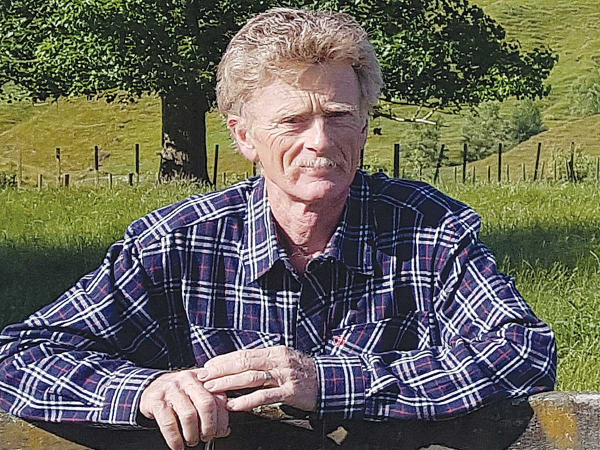 Farmer's Chaplain Colin Miller.
OPINION: Back in the early '90s, I felt privileged to be invited to visit the Republic of Nauru. With a total land area of 25 square kilometres and a population around 8,000 at the time, it was - and still is - one of the remotest and smallest nations on the earth.
I visited again three more times over the next three years. As a result, I learned some of their history - the good, the bad, and yep, some of the ugly stuff too.
I will always remember my first flight with Air Nauru. My boarding pass had no seat number allocated on it. Thinking this a little unusual, I pointed it out to the flight attendant as we boarded. I was informed we could sit wherever we liked, as long as it was forward of the smiling hostess who was standing in the isle, about halfway to the back.
Secondly, it was the emptiest flight I had ever been on. Maybe 10 passengers boarded... and that was us! You didn't need to be a financial guru to figure there was no money for Air Nauru on this flight!
There are various documentaries that tell some of Nauru's rather sad but typical story, Paradise Lost - Nauru being a brief, easy watch that will give you the basics.
Due to its rich deposits of natural phosphate, Nauru became a nation of millionaires - with the highest per capita income in the world. They onece claimed the 'title' as the world's wealthiest welfare state!
In 1968 a special trust fund was set up to ensure the economic future of the country when the phosphate reserves ran out. At its peak, the fund contained well over $1 billion. But successive governments siphoned it all off. No surprises there!
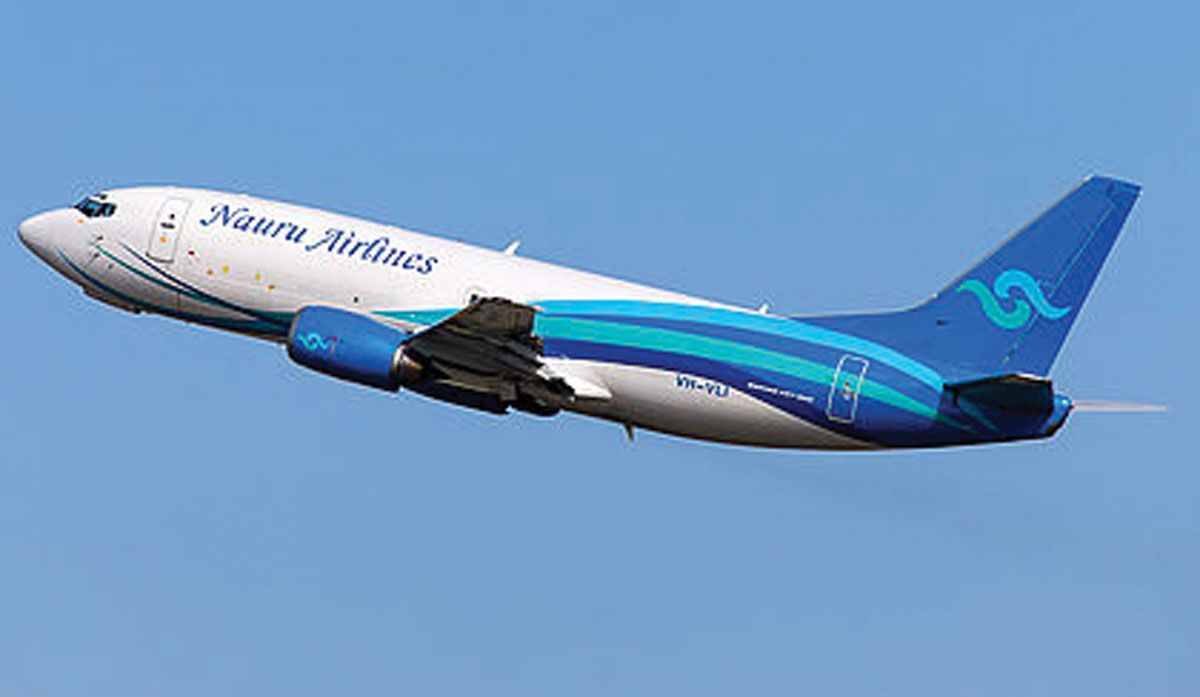
At its peak in the '80s, Air Nauru boasted seven sparkling Boeing 737s. I was told some of its leading politicians wanted them to have the world's best airline. The average passenger load flew at around 20% capacity, with many flights actually carrying no passengers, yet they still flew!
 |
|---|
|
Paradise Lost: At its peak in the '80s, Air Nauru boasted seven sparkling Boeing 737s. |
One brief I read reported almost half the gross national product - A$100 million - per year went into propping up the airline, eventually helping to take the nation broke. The airline, and of course politicians, getting their hands on that 'fund' I mentioned earliers, and hello, surprise, surprise - bankruptcy arrived! And the people, you wonder? Yep, the victims of political corruption and up-sized egos.
A huge 'nest egg' and politicians together in the same room; you won't need detective training to suss that one out!
It all reminds me of another small country, with a population of 100,000 or so shy of 5 million.
With no close neighbours, it remarkably leads the world with its sustainable farming practices. But you would never know that, listening to its government and fawning media lapdogs. Yep, unless it fits the ideology, there will be no applause.
And that country, New Zealand of course, contributes just 0.09% to the global carbon footprint. And we are going to change the world... Yeah right!
The same people that seem to blame and hammer our rural sector, mysteriously seem to be struck dumb when it comes to the truly, big global polluters, or to all the closed city beaches each year in our own country!
The people of Nauru kept trusting their leaders. Hmmm.
Of all the people I know and trust, one of them stands head and shoulders above the rest! And none of them has ever held political office.
God Bless.
To contact Colin Miller email: This email address is being protected from spambots. You need JavaScript enabled to view it.
OPINION: More than three decades ago, I was part of a group who received a monthly audio cassette tape from international leadership statesman, Dr. John Maxwell.
OPINION: Yep, the stories just keep on coming. I haven’t noted any sign of them drying up yet, no let-up seems to be in sight! And with the rapid advances in AI, maybe the worst is still to come.
OPINION: With the winter months officially here, I trust all is well at your place.
OPINION: As you sit down to read my column today, I trust all is well at your place.
OPINION: I have been thinking quite a bit recently about something I could call Life Lessons Learned.



National’s pledge to introduce 19 new national standards shows the party is serious about getting Wellington out of farming, Federated Farmers says.
The National Party’s policies to make it easier to grow fresh vegetables, secure reliable water and energy and simplify farm planning are practical changes that will give growers the confidence to invest, according to Horticulture New Zealand (HortNZ).
Fonterra Co-operative Group chief financial officer Andrew Murray has resigned to take up a role outside the dairy giant.
A major move is about to get underway to improve the quality and viability of dairy beef and cattle in NZ.
Veterinarians say changes to the code of welfare for dairy cattle provides a positive foundation for improved cattle welfare across the country.
Today, 15 October, is the International Day of Rural Women, which recognises rural women’s contribution to farming, communities and the environment.





OPINION: The same mainstream media muppets that brought you Jacindamania in 2017 have been flat out pimping for the Opportunities…
OPINION: Your old mate reckons the atrocious way farmers in the UK are treated by their lords and masters in…




