NZ ETS Settings Hold Steady Amid Shortfall Warning
The Climate Change Commission has recommended maintaining the current New Zealand Emissions Trading System (NZ ETS) settings but warns of a potential unit shortfall as early as 2028.




 increase font size
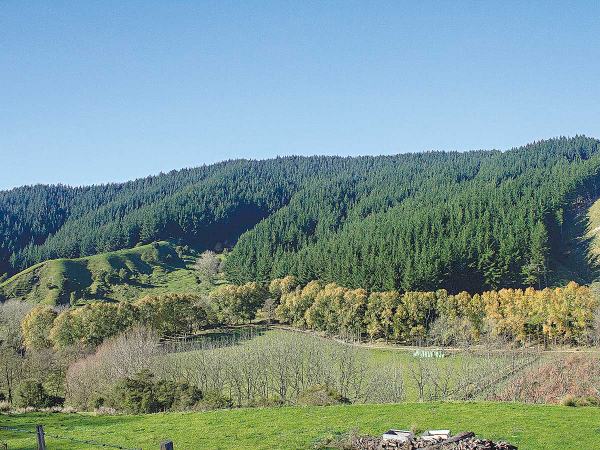 Dave Read says the Climate Change Commission report heavily relies on forest planting to offset emissions.
OPINION: Dear Ministers Nash and Shaw,
The Climate Change Commission (CCC) has presented a report with a lot of rhetoric about the importance of reducing gross emissions.
However, it heavily relies on forest planting to offset emissions, while we delay tackling transport, yet again. There is no mechanism suggested to limit the surge in exotic afforestation unleashed by higher carbon prices under the ETS. The Government is very happy at the unexpected low cost of the actions proposed by the CCC.
Late last year, Te Uru Rakau released the report Economic Impacts of Forestry in NZ by Price Waterhouse Cooper (PwC). This report maintains that forestry is a better land use than sheep and beef farming on our hill pastures, producing more direct employment and a better economic outcome for NZ. This report is deeply flawed.
The acting director general of Te Uru Rakau has refused to withdraw this report, so I have taken a case to the Ombudsman.
Here is a summary. Points 1 & 2 together mean that the reality is that sheep and beef farming generates more direct employment per 1,000ha, not less.
In brief:
I am happy to supply the documents that support my assertions or discuss this issue further.
Dave Read
RD 3
Wairoa 4193
The Climate Change Commission has recommended maintaining the current New Zealand Emissions Trading System (NZ ETS) settings but warns of a potential unit shortfall as early as 2028.
The Climate Change Commission’s 2025 emissions reduction monitoring report reveals steady progress on the reduction of New Zealand’s climate pollution.
Former Governor-General Dame Patsy Reddy will be the new chair of the Climate Change Commission.
The dairy industry is well placed to front the cost of new technologies to deal with methane emissions, but the sheep industry isn't.
There is an urgent need for the Government to put a limit on the sale of farms for forestry - particularly for carbon farming.


The potato industry is celebrating the success of two rising stars - James Blair, the 2026 Young Grower of the Year and runner-up and innovation award winner, Amber Davy.
Twenty-eight emerging leaders from across the horticulture sector spent two days last month learning valuable skills and connecting with industry experts.
There are five entrants in this year’s Young Horticulturist of the Year, competing in a series of technical, practical, business and leadership challenges.
A seasoned horticulturist has been appointed to deliver the Apple Action Plan, a key initiative of the India-New Zealand Free Trade Agreement.
New Zealand's citrus growers have been told to compete on the value built into their fruit rather than the volume they grow.
Hawke's Bay fruit growers are being reminded of the need to prepare for whatever the El Niño weather system may bring in the coming months.




OPINION: The same mainstream media muppets that brought you Jacindamania in 2017 have been flat out pimping for the Opportunities…
OPINION: Your old mate reckons the atrocious way farmers in the UK are treated by their lords and masters in…