7.4% growth is China’s new norm
The New Zealand China Council is backing the findings of a report that affirms our future lies with China despite an economic slowdown there.




 increase font size
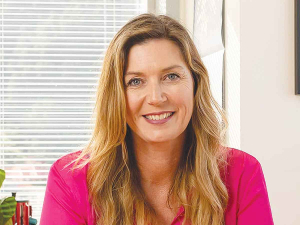
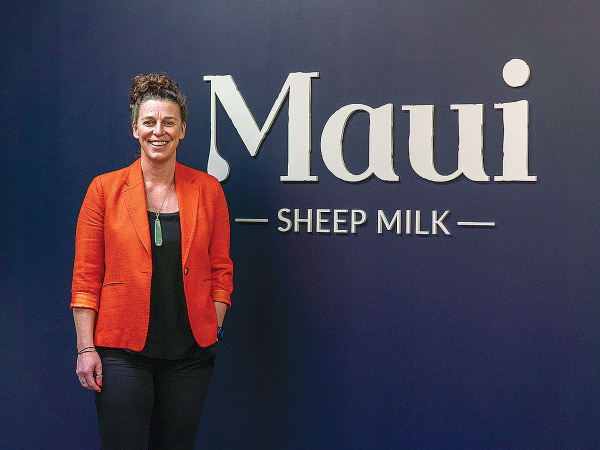 Maui Milk chief executive Leah Davey.
The newly-appointed chair of sheep milk pioneer Maui Food Group says the company is embarking on a new stage of diversification and growth.
Patrick English says new products and new export markets are being developed. Over time Maui hopes to help develop NZ's sheep milk sector into a global trade.
"I'm encouraged by the potential of the NZ sheep milking sector," English told Rural News.
"We're starting from a small base, but our plan is building on the New Zealand heritage around bovine into the ovine sector."
English, a former NZ Trade Commissioner and Consul General in Southern China, was appointed Maui chair after a change in its ownership structure.
Maui Milk Ltd, currently supplied sheep milk by 14 farms, was formed six years ago as a joint venture between Shanghai-based Super Organic Dairy and Maori farming trust Waituhi Kuratau (WKT). However, with WKT unable to fund the growth phase of Maui, Super Organic Dairy bought out all its shares and brought all elements of the business under one entity - Maui Food Group Ltd.
English says WKT's departure was amicable and they are exploring the possibility of the Maori business supplying sheep milk to Maui.
He says while Maui Food Group is now fully Chinese-owned, it remains a 100% NZ business with NZ sheep genetics.
Previously Maui Milk's genetics business, the milk production and procesisng business and the marketing arm were held in separate legal entities.
Natalie Dang will lead Maui Food Group as managing director and shareholder representative, while Maui Milk chief executive Leah Davey remains in her position.
Davey says the new corporate grouping provides both the resources and the structure the business needs to build independent milk supply while diversifying products and export markets.
'Independent supplies will produce the milk using our genetics, while our team focuses greater resource on the opposite end of the value chain - opening up new markets and securing new customers," she says.
"Maui Milk only needs one farm of our own to provide the base for our genetics programme, which is all about breeding dairy ewes for New Zealand conditions.
"We've already experienced great result with our Southern Cross breed, and the first wave of third-party farm conversions has demonstrated what our ewes are capable of."
Davey adds that Maui Milk has been overwhelmed with enquiries from potential farmer supplies, creating the need for a careful balance between supply and demand.
The company's supply arrangements with dairy giant Danone remain unchanged, and Davey explains a key part of the company's strategy is to diversify its product range and markets.
She says customers continue to desire its brand based on the propositions of its milk coming from grass fed animals, delivering premium nutrition and being sustainability managed. She says New Zealand provenance also continues to hold huge value.
"Maui Milk's strategy is reflected in our new structure and new staff positions we've created in marketing, supplier support, sales and supply chain management.
"We're delighted with the calibre of our new team members who bring experience working with major international food brands including Nestlé, Coca-Cola, Oceania Dairy and Danone," says Davey.
The New Zealand China Council is backing the findings of a report that affirms our future lies with China despite an economic slowdown there.


Waikato milk processor Tatua has again declared a record milk payout to farmer shareholders, leaving other processors in the dust.
A Labour-led Government won’t be bringing back the controversial freshwater rules of 2020.
National’s much-touted free trade deal with India featured in the Rural Issues Debate at Mystery Creek, Hamilton on Wednesday night.
New Zealand's 2026-27 freshwater fishing season has opened, with anglers encouraged to head to rivers and lakes over the coming days as conditions look favourable across much of the country.
Central Otago District Council (CODC) has voted against a plan to spread treated sewage sludge from Cromwell and Alexandra on farmland near Lauder, a decision Federated Farmers says reflects strong opposition from rural residents.
Pāmu has released its FY26 Integrated Annual Report, reporting a Net Operating Profit of $113 million, more than double the $49 million recorded in FY25.




OPINION: The same mainstream media muppets that brought you Jacindamania in 2017 have been flat out pimping for the Opportunities…
OPINION: Your old mate reckons the atrocious way farmers in the UK are treated by their lords and masters in…