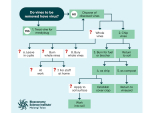
Removing Grapevines Safely: Disposal Options Compared
I am often asked by industry people, what are the options for removing a grapevine without producing a phytosanitary problem? Can it be done sustainably? What will it cost me?




 increase font size
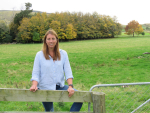
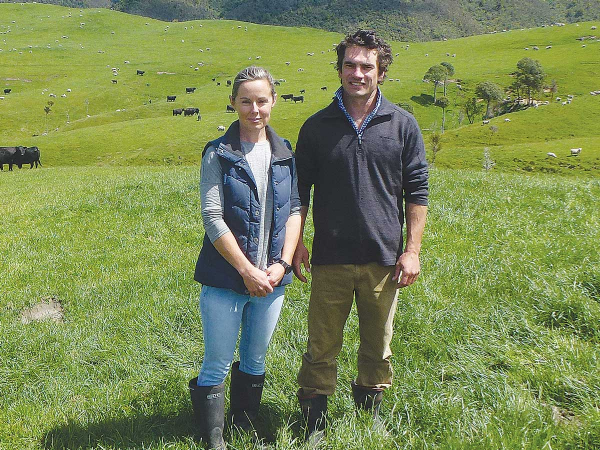 Taramoa farm managers Billie and Dan Herries are proof that farming sustainably doesn’t have to come at an economic cost. Photo courtesy NZ Farm Environment Trust.
An East Coast farm is enjoying a dramatic increase in productivity, despite retiring 10% of the land – proving that farming sustainably doesn’t have to come at an economic cost.
Since 2015 when they started managing Puketitiri sheep and beef farm Taramoa – located midway between Taupo and Hastings – Dan and Billie Herries have continued the previous managers’ devotion to enhancing its biodiversity.
Their hard work was recognised with a suite of awards in the 2020 East Coast Ballance Farm Environment Awards.
More than 20,000 native plants have been planted, all waterways have been fenced and a comprehensive predator trapping network now covers the whole property.
“We often think that if we do all this stuff we’ll lose productivity. However, the combination of these things all add up, meaning our financial performance has increased dramatically,” Dan Herries says.
For example, fencing off waterways not only creates a riparian corridor for native species, it also reduces stock losses from drowning.
And creating robust shelter belts of native plants has the bonus of boosting young animal survival rates.
“It’s pretty daunting at first and we’ve made plenty of mistakes along the way – we’ve learnt by doing,” he adds. “But it’s been worth it. It’s amazing now and gives us a great sense of satisfaction. You can’t let it overwhelm you and it’s important to take breaks from it.”
Herries says a good approach is to pick the highest priority area to retire and just do that one.
“We didn’t do a whole farm plan to start with – we just did it year-by-year. It’s not so daunting now that we’ve broken it down.”
Key drivers for the Herries are Taramoa’s location – between the Kaweka Forest Park and Ball’s Clearing Scenic Reserve – and the fact they have kiwi on their property, along with other rare native species.
The couple felt obligated to create a riparian corridor to connect the two reserves – enabling animals to safely travel back and forth and also creating a crucial part of their trapping network.
“It’s a pretty big motivator to keep trapping when you’re out on the farm with the kids at dusk and you hear the kiwi calls.”
The family traps feral cats, rats and mustelids, and the hard work is paying off. From 80 mustelid traps, just one stoat was caught in the past month.
“Stoats are the biggest threat because they kill a lot of birds, including kiwi chicks, and cause a lot of disturbance. Birds won’t even nest when they’re around.”
Herries says he has learned a lot about farming from podcasts – particularly those created by Beef+Lamb NZ.
“We need our hands when we’re working and don’t want to be stuck too long in the office. With podcasts you can listen to them when feeding out in the tractor and pick up little tips as you go,” he adds. “I’ve been absolutely blown away at the resources available.”
I am often asked by industry people, what are the options for removing a grapevine without producing a phytosanitary problem? Can it be done sustainably? What will it cost me?
Pāmu has released its FY26 Integrated Annual Report, reporting a Net Operating Profit of $113 million, more than double the $49 million recorded in FY25.
Environment Minister Nicola Grigg has announced details of a new rural plastics recycling scheme.
Almond hulls sourced from Australian orchards may have the potential to help New Zealand cows reduce emissions, boost milk yield and lower input costs.
The Government is introducing a new nationwide rural recycling scheme that will significantly increase the recovery of farm plastics from March next year, Minister for the Environment Nicola Grigg announced today.


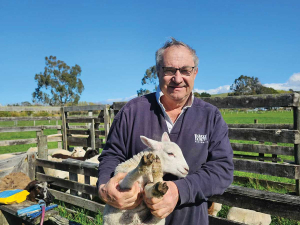
Decades piloting planes has ensured vet and farmer David Hayes is focused on safety. So, after a serious accident while welding on farm, he is sharing his experience so others can learn from it.
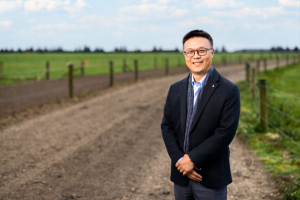
Canterbury milk processor, Synlait Milk has confirmed Leon Fung as its chief executive officer.
OPINION: Making it easier to collect rainwater and use it to grow crops and livestock is a no brainer.
As part of its Election 2026 coverage, Rural News asked political parties how they would help pull the arable sector out of the doldrums. Here's what they said:
Farmers are being encouraged to rethink how they manage waste on farm with the launch of ruralwastesorted.co.nz, a new website bringing together practical tips, real farmer experiences and resources.
New Zealand Winegrowers (NZW) is celebrating the India-New Zealand Free Trade Agreement (FTA) coming into force today, bringing New Zealand wine improved access to one of the world’s fastest-growing economies.

OPINION: The same mainstream media muppets that brought you Jacindamania in 2017 have been flat out pimping for the Opportunities…
OPINION: Your old mate reckons the atrocious way farmers in the UK are treated by their lords and masters in…




