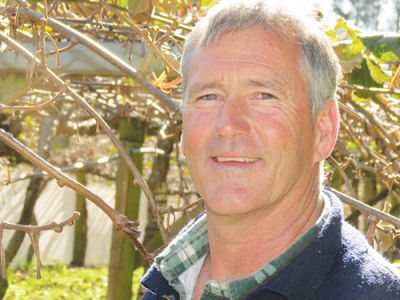
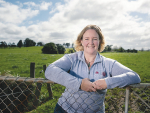
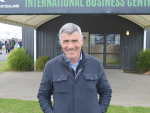
In 1983 Sean Carnachan was named the New Zealand young horticultural cadet of the year.
He was working in the kiwifruit industry, but the competition was for young people right across the horticulture sector. As his wife Jo says, it was a big deal at the time because thousands of young people just like Sean were working in the sector.
His career began in 1981 when he started as a cadet working in various local orchards. Two years later he was managing orchards and aiming eventually to own his own kiwifruit block.
“In 1992, when the kiwifruit industry hit pretty much rock bottom, with property values low, we took the opportunity to buy our first orchard. We bought more land in 1995, 2010 and again in 2013.
“I was fortunate that when I started we were in the development stage of the industry. We were flat out developing orchards and there was a good variety of vine and structural work so I learned how to develop orchards.
“In the 1980s it became all about production and later it was about improving efficiency. I guess when there were cycles – and there are always cycles in farming – we have been in the right position to take the opportunity to purchase land.”
Carnachan says he escaped the PSa problem because we wasn’t growing any 16A fruit at the time and now has G3 and G9 fruit.
“I have tended to do the opposite of what everyone else does,” he explains. “I buy when I consider the property values are realistic. And when times are good we have a strategy of surrendering debt and doing improvements in the orchard because our cashflows are strong.”
This strategy has paid off for Sean and Jo Carnachan, now among the largest and most successful growers in the region. But while success through smart decisions has come their way, they are future-focused on the industry, committed to improving the quality of their crop and helping create a labour force for the industry.