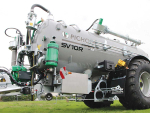
Pichon Adds SV10R and SV14 to SV Slurry Tanker Range
French manufacturer Pichon has expanded its SV slurry tanker range with the launch of two new models.




 increase font size
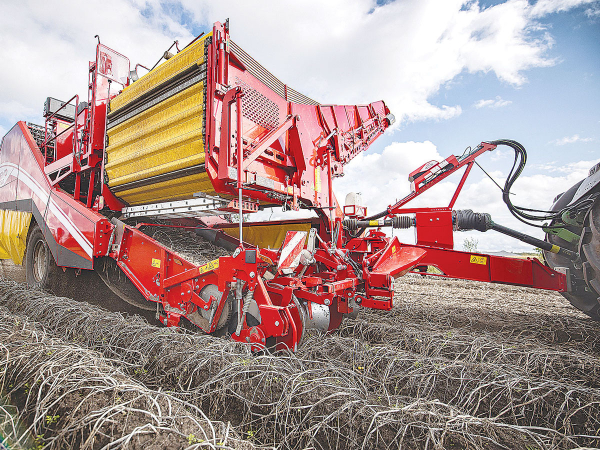 The Grimme EVO 280 two-row bunker harvester is getting a major upgrade.
Originally released in 2018, the Grimme EVO 280 two-row bunker harvester – featuring three large separators and an intake for crops, such as potatoes, onions and carrots – is getting a major upgrade.
The EVO 280 is now equipped with a redesigned version of the well- known NonstopBunker, allowing continuous gentle unloading during harvest on the move. It offers a capacity of up to 6-tonne, in addition to the 8-tonne standard bunker.
The increase in bunker capacity also provides a significant lift in the transfer height and width, meaning greater distances can be kept between the harvester and transporting trailers and high transport vehicles can also be loaded easily.
The continuous unloading process during harvesting means the bunker is emptied on one side, while being refilled on the other side. When a transport vehicle is full, the design of the GRIMME NonstopBunker allows the bunker floor to be reversed without damaging the crop, while also utilising the full capacity at any time.
The unloading time of around 45 seconds, is about half that of conventional bunkers with two bunker floor chains. Meanwhile, the removal of an additional transfer-step in the bunker floor is said to increase output by around 30% over a standard bunker.
For more traction, less soil damage and reduced energy consumption, a hydrostatic wheel drive system can be fitted. This offers a total thrust of over 2.3 tonnes, a power-boost function taking this rating to 2.6 tonnes and a transport width of less than 3 metres. The latter is achieved by using a telescopic axle that can be retracted by 500mm, while also delivering good stability when extended.
The “Turbo Clean” System allows the cleaning of certain webs and separators, with drives stepped up to maximum speed to achieve the cleaning effect – either automatically at the end of a run or manually by the operator.
At the picking table, height adjustable steps allow pickers to work at the most comfortable working height, with options including a waterproof storage box, increased padding on the picking table, drink holders and a 15-litre hand wash tank. A new lighting system also enables the picking staff and the driver a good overview of the crop flow.
For use on heavy soils, optional wear-resistant, plastic share blades help to reduce soil adhesion and minimise wear. Clod breakers are also available on the first main web to prevent clod build-up in sticky soils without stones.
The hedgehog web on the third separator can be equipped with plates of long, soft hedgehogs. Stones and clods then sink deeper and can be separated more efficiently from the crop flow.
French manufacturer Pichon has expanded its SV slurry tanker range with the launch of two new models.
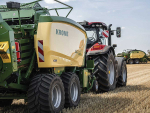
Recently revealed, Krone’s new Series Six, BiG Pack Plus and Pro balers are designed to use standardised components, interfaces, and control concepts, including pick-up, knotter systems and user interfaces.
Consuming around six years and more than 35,000 hours of physical and digital testing, the new sixth-generation Valtra T Series is being described as the most significant new release in the company’s history.
Strautmann has introduced a new Hay Edition auger for its Verti-Mix feed mixer wagons, aimed at operators using rations with larger proportions of hay or other long-fibre materials.
Twin rotor swathers have become the ‘go-to’ for forming swaths to feed hungry harvesters and balers, however, the design layout often means that crop located between the two rotors is not picked up, turned over or incorporated into the swath formed for subsequent harvesting.


National’s pledge to introduce 19 new national standards shows the party is serious about getting Wellington out of farming, Federated Farmers says.
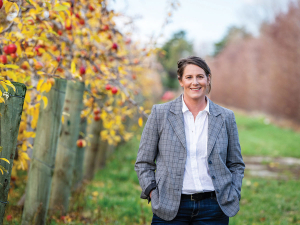
The National Party’s policies to make it easier to grow fresh vegetables, secure reliable water and energy and simplify farm planning are practical changes that will give growers the confidence to invest, according to Horticulture New Zealand (HortNZ).
Fonterra Co-operative Group chief financial officer Andrew Murray has resigned to take up a role outside the dairy giant.
A major move is about to get underway to improve the quality and viability of dairy beef and cattle in NZ.
Veterinarians say changes to the code of welfare for dairy cattle provides a positive foundation for improved cattle welfare across the country.
Today, 15 October, is the International Day of Rural Women, which recognises rural women’s contribution to farming, communities and the environment.




OPINION: The same mainstream media muppets that brought you Jacindamania in 2017 have been flat out pimping for the Opportunities…
OPINION: Your old mate reckons the atrocious way farmers in the UK are treated by their lords and masters in…




