Telehandler’s value on the rise
The practicalities of dairy farming centre around looking after animals well, and a whole bunch of logistics – largely lifting and loading.




 increase font size
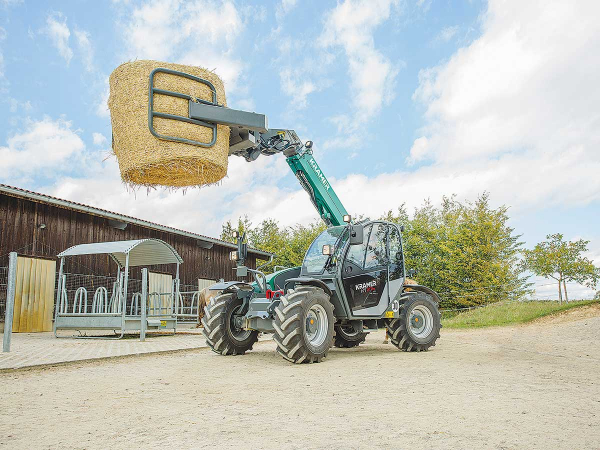 Kramer has announced that John Deere dealers in Australia and New Zealand will now distribute its machines.
Following a move that has evolved in Europe over the last two years, German handling specialist Kramer has announced that John Deere dealers in Australia and New Zealand will distribute its machines.
Cervus Equipment, with nine branches in NZ and seven branches in southern Australia, will concentrate on the telehandler product range, initially with the KT276 and KT447 models. "We are looking forward to the partnership with Kramer," reports Tim Ormrod, managing director of Cervus Equipment. "The Kramer product portfolio is best suited for our market and year-round application in various agricultural disciplines."
The alliance formed by Kramer and John Deere covers the sales of compact machines from the Kramer brand (so-called "green line") for agriculture, developed and manufactured at Pfullendorf in Germany. The complete model range (KT276, KT356, KT307, KT357, KT407, KT457, KT507, KT557, KT429, KT559) offers a compact model with a payload of 2.7 tonnes and maximum lift height of 6 metres to the largest machines, with a capacity of 5.5 tonnes and 9 metres height.
"With the first telehandlers in the country, Cervus Equipment on board and a Kramer employee on-site, we are looking forward to our new beginning in Australia and New Zealand," explains Thomas Brogt, head of sales international, Kramer.
"In future, the Kramer presence in both countries will continue to be expanded so that we can provide an extensive agricultural dealer network."
The practicalities of dairy farming centre around looking after animals well, and a whole bunch of logistics – largely lifting and loading.
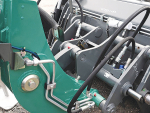
One of the greatest ‘pains’ when changing loader attachments, apart from having to climb down from the cab, is having to change hydraulic hoses that either can’t be undone or can’t be reattached because of residual hydraulic back pressure.
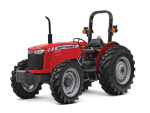
Kramer has introduced a further two models to its telehandler range – the mini KT144 and the medium-sized KT3610.
Track systems have many advantages over conventional wheel and tyre systems, not least more grip and reduced ground compaction.


Dairy processors are ready to further boost New Zealand’s export earnings but want the incoming government to match their ambition with good policy.
Massey University is best placed to solve the “problems” facing the dairy industry, says vice chancellor, Pierre Venter.
Synlait's longest serving employee – a man who joined the Canterbury-based milk processor even before it began processing milk – is now its newest executive.
A dairy industry leader believes eradicating the common and costly disease, Bovine Viral Diarrhoea (BVD) is within reach.
A farmgate milk price of $10/kgMS this season is firming up as milk powder prices soar and the New Zealand dollar weakens.
Federated Farmers has welcomed new rural policies released by ACT, saying they align closely with its own election priorities.

OPINION: The same mainstream media muppets that brought you Jacindamania in 2017 have been flat out pimping for the Opportunities…
OPINION: Your old mate reckons the atrocious way farmers in the UK are treated by their lords and masters in…




