Drone Deregulation Plans for Farmers Draw Mixed Response from Industry
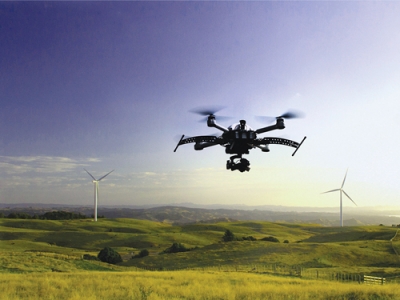
Government plans to reduce the regulations relating to drones that farmers use on their own properties has drawn a mixed reaction from commercial drone operators.
Rules governing the flying of unmanned aerial vehicles (drones) changed on August 1 with the introduction of Civil Aviation Authority Rule 102.
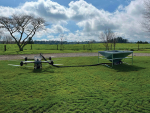
Yamaha Motors NZ wasted no time in getting the new certification, clearing the way for the company to fly its R-Max helicopter UAV. The test flights were done near Auckland.
The R-Max is powered by a 246cc engine and has a 28kg payload. It was designed in Japan at the request of the country's Ministry of Agriculture Forest and Fisheries, which sought an unmanned vehicle for crop spraying. It should suit the widely varying topography of NZ.
"We have developed a robust safety policy for the operation of the R-Max," says Yamaha NZ general manager Daryl Lovegrove.
From last week, the Industrial Hemp Regulations 2006 have been revoked.
The Rural Support Trust is hosting a series of community wellbeing events featuring former NZSAS soldier and Victoria Cross recipient Willie Apiata.
Government plans to reduce the regulations relating to drones that farmers use on their own properties has drawn a mixed reaction from commercial drone operators.
Families farming the same land for generations, including one spanning 187 years, were recognised at the 2026 Century Farms and Station Awards held in Lawrence, Otago recently.
Cambridge and surrounding communities are benefiting from a new emergency ambulance, thanks to joint funding from longstanding supporters, Grassroots Trust Limited and Greenlea Foundation Trust.
Safer Farms ambassador Lindy Nelson's dedication to "rethinking how the primary sector works together to reduce harm on farm" has been recognised with a finalist place in the New Zealand Workplace Health and Safety Awards for 2026.