
New Zealand Beekeepers Move Towards Single National Organisation
Moves are underway to create a single organisation to represent the country's beekeepers.




 increase font size
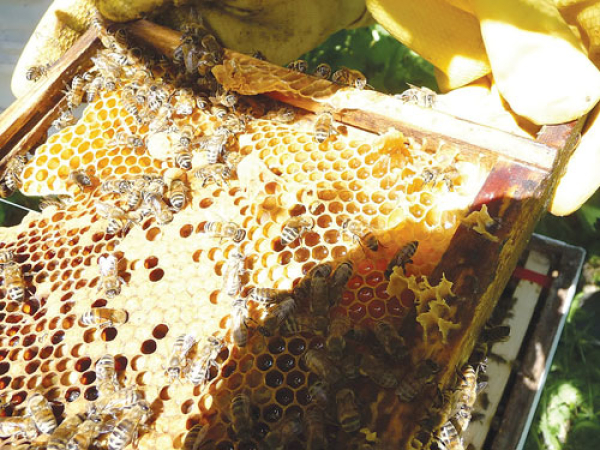 Hive numbers have continued to drop, reflecting successive years of modest producer prices and challenging trading conditions.
The recent release of the annual MPI Apiculture Monitoring Data has confirmed the impact of last summer’s wild and wet weather on the 2023 honey production season.
The reported data shows the total honey production reached 12,000 tonnes, down from 22,000 in 2022 and a long way short of the five-year average of 20,900 tonnes.
The poor return reflects last summer's extreme weather events, including Cyclone Gabrielle and relentless rain which battered the country, especially in the north.
“The national 2023 honey harvest represents the weakest production performance since 2012 when there were substantially fewer hives in operation,” says Apiculture New Zealand chief executive Karin Kos.
The national honey yield per hive (20.1 kgs) was only two-thirds of that achieved in the 2022 season, but this average masked a divergence in fortunes between those operating in the North and South Islands.
For the first time in over a decade, the national yield was split evenly between the islands (6,000 tonnes produced in each). For the North Island, this reflected an historically low 14.4kg per hive, compared with 32.6kg in the South Island.
The monitoring data also shows registered hive numbers have continued to drop, reflecting successive years of modest producer prices and challenging trading conditions.
Total numbers were down to just over 600,000 in April, the majority (417,000) of which continue to be located in the North Island.
However, the North Island is also where the productive capacity is falling fastest with hive numbers down 22% on 2022 in the North Island compared to 7% in the South Island.
“Last season was very tough for beekeepers in the North Island, with many saying they had never experienced such adverse conditions,” says Kos.
“However, forecasts for the current season are for hotter and drier weather, particularly in the east of New Zealand, which should prove to be more favourable for honey production,” she says.
Meanwhile, a subdued global economy has proved challenging for honey exporters.
Export revenue for the year to June 2023 was down 17% to $379 million but with expectations of improved trading conditions in 2024, MPI’s latest Situation and Outlook for the Primary Industries report is predicting honey export revenue to bounce back by 8% to $410 million for the year to June 2024.
Moves are underway to create a single organisation to represent the country's beekeepers.

On June 5, Apiculture New Zealand (ApiNZ) members will vote on the future of beekeeper representation in New Zealand.
Not all stakeholders involved in the proposed merger of honey industry groups - ApiNZ and Unique Manuka Factor Honey Association (UMFHA) combining to form a larger organisation - think the deal is so sweet.
Bee awareness month - September - ended on a high for the struggling apiculture sector.
A plan to revitalise New Zealand’s honey sector and set it on a new, more sustainable and profitable path for the long term was launched yesterday by Agriculture Minister Todd McClay.


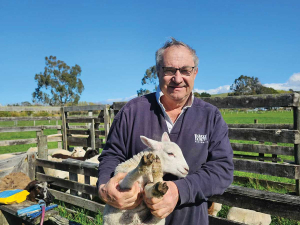
Decades piloting planes has ensured vet and farmer David Hayes is focused on safety. So, after a serious accident while welding on farm, he is sharing his experience so others can learn from it.

Canterbury milk processor, Synlait Milk has confirmed Leon Fung as its chief executive officer.
OPINION: Making it easier to collect rainwater and use it to grow crops and livestock is a no brainer.
As part of its Election 2026 coverage, Rural News asked political parties how they would help pull the arable sector out of the doldrums. Here's what they said:
Farmers are being encouraged to rethink how they manage waste on farm with the launch of ruralwastesorted.co.nz, a new website bringing together practical tips, real farmer experiences and resources.
New Zealand Winegrowers (NZW) is celebrating the India-New Zealand Free Trade Agreement (FTA) coming into force today, bringing New Zealand wine improved access to one of the world’s fastest-growing economies.



OPINION: The same mainstream media muppets that brought you Jacindamania in 2017 have been flat out pimping for the Opportunities…
OPINION: Your old mate reckons the atrocious way farmers in the UK are treated by their lords and masters in…




