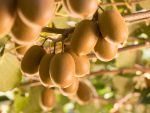
Wait and see is the watchword on the possibility of a labour shortage in the kiwifruit harvest which began last week in Gisborne and western Bay of Plenty.
The labour situation is not clear yet, says New Zealand Kiwifruit Growers Incorporated (NZKGI) chief executive Nikki Johnson.
NZKGI has sought to mitigate the risk by outreach and promotion to potential labour sources over the first quarter of 2019.
“We’ve gone all-out to tell our potential workers about the roles, pay and other important information, and to dispel some of the myths about the work,” Johnson told Rural News.
“We’ll soon know if it’s had an impact, when the major picking starts and we’ll be doing contingency planning if we have an issue in a month’s time.”
A total of 18,000 seasonal workers will be needed NZ-wide to pick and pack the 2019 crop.
Last year a labour shortage was declared in Bay of Plenty by the Ministry of Social Development which allowed overseas visitors to apply to vary the conditions of their visitor visas to allow six weeks of seasonal work in kiwifruit.
Gisborne last week saw the start of picking an estimated industry-wide 150 million trays this season.
Western Bay of Plenty followed a couple of days later with picking starting in the Te Puke and Whakamarama regions.
Johnson says Bay of Plenty has at least 80% of NZ’s total producing hectares of kiwifruit which indirectly contribute $1.8 billion to the local economy.
The first run of kiwifruit is mostly the gold variety, with the green variety harvest full on in late March and the peak of picking lasting until June.