
OSPRI Reduces TB Testing and Lifts Movement Controls in Key Regions
Ospri is reducing TB testing frequencies and movement control measures as the disease risk subsidies in parts of the country.




 increase font size
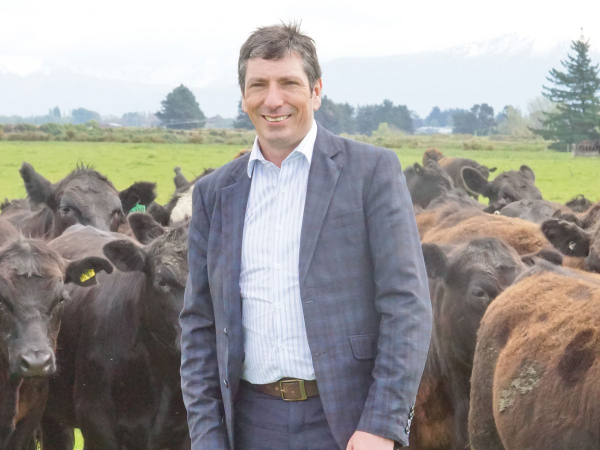 Beef+Lamb NZ chief executive Sam McIvor.
The US meat market is becoming something of a nightmare for NZ meat exporters with situations changing – in some cases – on a daily basis.
Beef+Lamb NZ chief executive Sam McIvor says globally the meat market is in a very fluid situation. He says while the Chinese market has picked up, the situation in the US remains challenging.
McIvor points to the fact that many meat processing plants in the US have closed down. A plant, which produces about 5% of pork in the US, is one of these – due to the fact that 300 staff had tested positive for COVID-19.
Meanwhile, a large beef processing facility in Colorado has also closed down for the same reason and a US meat industry leader there says: “meat supply is perilously close to the edge”.
McIvor says the situation in America is tumultuous and unpredictable. He says the problems range from a lack of containers to problems at some ports and disruptions to supply chains.
“We still know the fundamental supply and demand is still good for red meat, it’s just how things change and operate in the short term.”
McIvor says NZ processors are doing a good job but will have to monitor and track their product carefully to ensure it gets to market. He says this will require agility.
Ospri is reducing TB testing frequencies and movement control measures as the disease risk subsidies in parts of the country.

OPINION: The previous government spent too much during the Covid-19 pandemic, despite warnings from officials, according to a briefing released by the Treasury.
OPINION: Labour leader Chris 'Chippy' Hipkins is carrying on the world-class gaslighting of the nation that he and his cohorts started after their disastrous Covid response; now trying to undermine the Covid inquiry to protect his own backside.
OPINION: Did former PM Jacinda Ardern get fawning reviews for her book?
Southland farmer and director Tony Cleland has been named OSPRI New Zealand’s new chair.


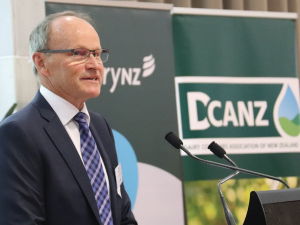
Dairy processors are ready to further boost New Zealand’s export earnings but want the incoming government to match their ambition with good policy.
Massey University is best placed to solve the “problems” facing the dairy industry, says vice chancellor, Pierre Venter.
Synlait's longest serving employee – a man who joined the Canterbury-based milk processor even before it began processing milk – is now its newest executive.
A dairy industry leader believes eradicating the common and costly disease, Bovine Viral Diarrhoea (BVD) is within reach.
A farmgate milk price of $10/kgMS this season is firming up as milk powder prices soar and the New Zealand dollar weakens.
Federated Farmers has welcomed new rural policies released by ACT, saying they align closely with its own election priorities.




OPINION: The same mainstream media muppets that brought you Jacindamania in 2017 have been flat out pimping for the Opportunities…
OPINION: Your old mate reckons the atrocious way farmers in the UK are treated by their lords and masters in…




