
Make It Up!
PM Chris Luxon can't seem to buy a trick when it comes to the polls, particularly for his own approval rating as preferred Prime Minister.




 increase font size
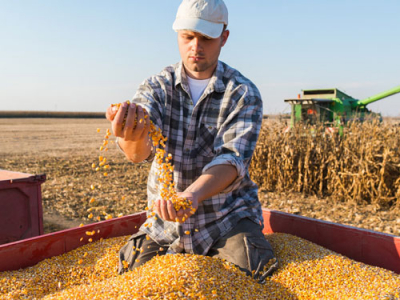
The US Government is rolling out US$12 billion worth of aid to farmers caught up in trade wars, triggered by President Donald Trump.
The US plans to provide subsidies to farmers and buy unsold crops, among other measures; farmers of commodities like soybeans, sorghum and wheat will receive most of the aid.
Trump had promised the aid after fierce criticism from farmers, an important part of his support base. The US Department of Agriculture (USDA) estimates the trade war is costing US farmers about US$11 billion.
US Secretary of Agriculture Sonny Perdue yesterday announced that the USDA will take several actions to assist farmers in response to trade damage from “unjustified retaliation”.
“Specifically, USDA will authorise up to US$12 billion in programs, which is in line with the estimated US$11 billion impact of the unjustified retaliatory tariffs on US agricultural goods. These programs will assist agricultural producers to meet the costs of disrupted markets.
“This is a short-term solution to allow President Trump time to work on long-term trade deals to benefit agriculture and the entire U.S. economy,” Perdue says.
He says the President promised to “have the back of every American farmer and rancher, and he knows the importance of keeping our rural economy strong”.
The first assistance is expected to be distributed by the beginning of September.
PM Chris Luxon can't seem to buy a trick when it comes to the polls, particularly for his own approval rating as preferred Prime Minister.

OPINION: When Donald Trump returned to the White House, many people with half a brain could see the results for the world might be a bit average, and our boy has been busy trying to prove them right.
OPINION: "We are back to where we were a year ago," according to a leading banking analyst in the UK, referring to US president Donald Trump's latest imposition of a global 10% tariff on all exports into the US.
Donald Trump's latest tariff tantrum has again thrown the world of trade into a new round of turmoil and uncertainty, and NZ is caught up in it.
Global trade has been thrown into another bout of uncertainty following the overnight ruling by US Supreme Court, striking down President Donald Trump's decision to impose additional tariffs on trading partners.



Federated Farmers has welcomed new rural policies released by ACT, saying they align closely with its own election priorities.

Rural Contractors NZ says proposed changes to land transport rules for agricultural vehicles are a welcome response by the Government to out of date regulations which have seen members hit with huge fines.
Alliance is calling for final applications for its 2027 Graduate Programme, with applications closing on Sunday 25 October.
Decades piloting planes has ensured vet and farmer David Hayes is focused on safety. So, after a serious accident while welding on farm, he is sharing his experience so others can learn from it.
Canterbury milk processor, Synlait Milk has confirmed Leon Fung as its chief executive officer.
OPINION: Making it easier to collect rainwater and use it to grow crops and livestock is a no brainer.





OPINION: The same mainstream media muppets that brought you Jacindamania in 2017 have been flat out pimping for the Opportunities…
OPINION: Your old mate reckons the atrocious way farmers in the UK are treated by their lords and masters in…




