
China No Longer Just A Commodity Story - Luxon
China remains New Zealand’s biggest market, taking $23 billion of our exports, but it’s no longer a commodity story, says Prime Minister Christopher Luxon.




 increase font size
 Bill English.
News of the plan to improve trade with China came just days after PM Bill English announced plans for a new and ambitious trade strategy called Trade Agenda 2030.
Its goal is to have 90% of NZ exports covered by trade agreements by 2030 – well up from the present 53%. English says $91.3 million over four years will be spent on achieving this goal.
The plans include opening an embassy in Dublin, replacing representation by the NZ High Commission in London. And there will be a new High Commission in Sri Lanka.
Opening an embassy in Dublin is seen as a way to get closer to Ireland as a friendly EU member, important given Britain’s intention to exit. The embassy in Sri Lanka recognises NZ’s substantial and growing trade there.
About $20 million will go helping MPI contribute to raising the value of primary exports – especially in trying to reduce non-tariff barriers, which are generally ‘technical’ and difficult to negotiate.
Trade Agenda 2030 will have a ministerial advisory group to keep the public better informed about trade issues. The 23 member group will include people from all primary sectors and from tourism, Maori, trade unions, exporters and academia.
China remains New Zealand’s biggest market, taking $23 billion of our exports, but it’s no longer a commodity story, says Prime Minister Christopher Luxon.

Fonterra is strengthening its foodservice presence in China with the launch of a new cream for professional bakeries at Bakery China 2026 in Shanghai.
OPINION: What does the birth rate in China have to do with stock trading? Just ask a2 Milk Company.
Additional tariffs introduced by the Chinese Government last month on beef imports should favour New Zealand farmers and exporters.
One of the most galling aspects of the tariffs whacked on our farm exports to the US is the fact that, now more than ever, US farmers are being propped up by government welfare – a direct result of Trump’s hardline on its trading partners.



Fonterra Co-operative Group chief financial officer Andrew Murray has resigned to take up a role outside the dairy giant.
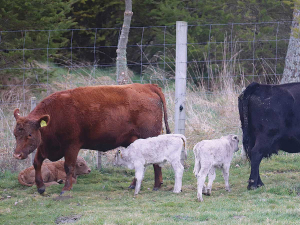
A major move is about to get underway to improve the quality and viability of dairy beef and cattle in NZ.
Veterinarians say changes to the code of welfare for dairy cattle provides a positive foundation for improved cattle welfare across the country.
Today, 15 October, is the International Day of Rural Women, which recognises rural women’s contribution to farming, communities and the environment.
Global dairy giant Lactalis has integrated its Australian operations with the Mainland Dairy consumer business it acquired from Fonterra earlier this year.
High country stations, mixed sheep and beef farms, Māori-owned farms, corporates and family operations are among the nine commercial farms taking part in the Livestock Innovation Farming Transformation programme, known as LIFT.




OPINION: The same mainstream media muppets that brought you Jacindamania in 2017 have been flat out pimping for the Opportunities…
OPINION: Your old mate reckons the atrocious way farmers in the UK are treated by their lords and masters in…




