Pāmu Silver Stabilizer Dairy Beef Genetics Open to Farmers
A major move is about to get underway to improve the quality and viability of dairy beef and cattle in NZ.




 increase font size
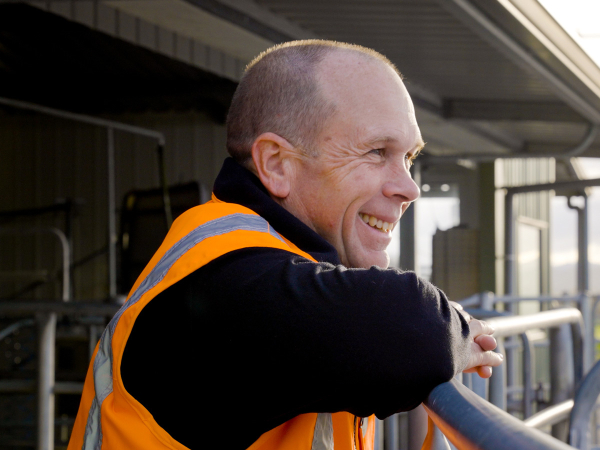 Pāmu chief executive Mark Leslie.
State farmer Pāmu is throwing its support behind three national charities this year.
Meat the Need gets $25,000, Rural Change (Will to Live) $12,500, and IHC Calf and Rural Scheme gets 41 calves valued up to $20,000.
Pāmu chief executive Mark Leslie says as New Zealand’s largest farmer, the company is conscious of its responsibilities to people and communities.
“Our strategic pillars include being a leader in health, safety, and well-being, as well as supporting the communities in which we farm.
“These three organisations are doing great mahi across the country.
“While we have supported IHC for decades, we became involved with Meat the Need at its inception in 2019, and this year we’ve agreed to support Rural Change in recognition of the work they are doing on the rural well-being coalface, particularly post-Cyclone Gabrielle.
“We are proud to back these organisations who align well with our company values and are also innovating and leading positive change.”
Meat the Need is dedicated to New Zealand farmers feeding New Zealand families. The organisation works with farmers, processors, and established food banks and missions to get mincemeat to families who face food uncertainty. Founder Wayne Langford says that the $25,000 donation from Pāmu means 21,300 mince meals to fill tummies. Pāmu has also been running a competition amongst its staff nationwide, for their best mince recipes. These will be included in food boxes in selected regions.
Rural Change (Will to Live) is focused on getting farmers and rural people dedicated psychological help when they need it. Pāmu is one of their largest sponsors, with a $12,500 donation, meaning 125 farmers can get professional help.
“Rural Change fills a vital gap in rural well-being, and since the cyclones, demand has outstripped their ability to help,” says Leslie.
“Stress and burnout are real risks for our rural communities, and it takes courage to reach out for help. It is very important to Pāmu to be part of these conversations and support the organisations who are at the coalface of farmer mental wellbeing.”
The IHC Calf and Rural Scheme has supported people with intellectual disabilities living in rural areas for more than 40 years. Pāmu farms are donating 41 calves from dairying operations across the motu, with a potential value of up to $20,000 depending on their final weight.
A major move is about to get underway to improve the quality and viability of dairy beef and cattle in NZ.
High country stations, mixed sheep and beef farms, Māori-owned farms, corporates and family operations are among the nine commercial farms taking part in the Livestock Innovation Farming Transformation programme, known as LIFT.
Pāmu has welcomed Taranaki student Paige Burston as its newest First Foundation Scholar, supporting her journey towards a career in agriculture and animal science.
State farmer Pāmu is bracing for a $30 million hit from soaring farm input costs this financial year.
Pāmu has released its FY26 Integrated Annual Report, reporting a Net Operating Profit of $113 million, more than double the $49 million recorded in FY25.


Federated Farmers has welcomed new rural policies released by ACT, saying they align closely with its own election priorities.

Rural Contractors NZ says proposed changes to land transport rules for agricultural vehicles are a welcome response by the Government to out of date regulations which have seen members hit with huge fines.
Alliance is calling for final applications for its 2027 Graduate Programme, with applications closing on Sunday 25 October.
Decades piloting planes has ensured vet and farmer David Hayes is focused on safety. So, after a serious accident while welding on farm, he is sharing his experience so others can learn from it.
Canterbury milk processor, Synlait Milk has confirmed Leon Fung as its chief executive officer.
OPINION: Making it easier to collect rainwater and use it to grow crops and livestock is a no brainer.

OPINION: The same mainstream media muppets that brought you Jacindamania in 2017 have been flat out pimping for the Opportunities…
OPINION: Your old mate reckons the atrocious way farmers in the UK are treated by their lords and masters in…




