
Pork Remains Among NZ's Most Affordable Meats: Stats NZ
As the cost-of-living crisis continues to put pressure on household grocery budgets, new figures show pork remains one of the most affordable fresh meat options for New Zealand families.




 increase font size
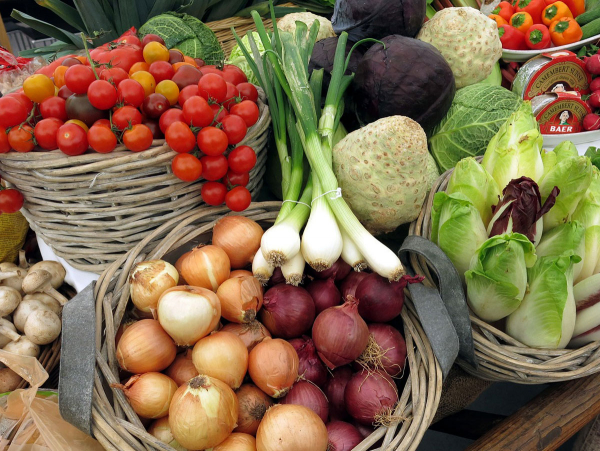 Stats NZ recorded a 10% rise in the cost of fruit and vegetables for July 2022.
New research from meal kit company, Hello Fresh has revealed the over 45% of New Zealanders have changed their diet due to factors like increased cost of living, sustainability and health.
The research, conducted by survey company Pure Profile, also revealed that 35% of respondents’ weekly supermarket shop has increased by $50 - $100.
The results come as Stats NZ announced a 7.5% annual rise in grocery food prices.
Stats NZ Consumer prices manager Fiona Smillie says dairy products seem to be the major contributor to the rise.
“Increasing prices for cheddar cheese, standard two-litre milk, and yoghurt were the largest contributors within grocery food,” says Smillie.
Hello Fresh director culinary innovations & operations Hannah Gilbert says meal planning is one way to stick to a food budget, “allowing you to enjoy quality ingredients without breaking the bank”.
“One of the biggest ways households spend more than they need to is through food waste, with leftover ingredients ending up in the bin,” says Gilbert.
Also impacting monthly food prices, according to Stats NZ, is the rising costs of fruit and vegetables.
A 10% increase in fruit and vegetable prices was recorded for July 2022.
After adjusting for seasonal effects, fruit and vegetables were up 3.1%, indicating that while seasonal impacts drove most of the movement, after removing these impacts fruit and vegetables still increased by 3.1%.
“Vegetables had the largest impact on this increase, influenced by higher prices for tomatoes, lettuce, and broccoli,” says Smillie.
As the cost-of-living crisis continues to put pressure on household grocery budgets, new figures show pork remains one of the most affordable fresh meat options for New Zealand families.
OPINION: In the 1980s, concern was expressed in West Germany about the falling birth rate. Some simple analysis was performed by Professor Helmut Sies, physician and biochemist at Dusseldorf University. His letter ‘A new parameter for sex education’ was published in Nature in 1988:
OPINION: According to media reports, the eye-watering price of butter has prompted Finance Minister Nicola Willis to ask for a 'please explain' from her former employer Fonterra.
OPINION: It's not happening as fast as the greenies would like - they actually want all livestock other than Muscovy ducks and Tibetan Llamas to disappear entirely - but it is happening.
Emissions by dairy cattle decreased by 1.6% according to the latest NZ Greenhouse Gas Inventory report.


Dairy processors are ready to further boost New Zealand’s export earnings but want the incoming government to match their ambition with good policy.
Massey University is best placed to solve the “problems” facing the dairy industry, says vice chancellor, Pierre Venter.
Synlait's longest serving employee – a man who joined the Canterbury-based milk processor even before it began processing milk – is now its newest executive.
A dairy industry leader believes eradicating the common and costly disease, Bovine Viral Diarrhoea (BVD) is within reach.
A farmgate milk price of $10/kgMS this season is firming up as milk powder prices soar and the New Zealand dollar weakens.
Federated Farmers has welcomed new rural policies released by ACT, saying they align closely with its own election priorities.





OPINION: The same mainstream media muppets that brought you Jacindamania in 2017 have been flat out pimping for the Opportunities…
OPINION: Your old mate reckons the atrocious way farmers in the UK are treated by their lords and masters in…




