Bio milk demand up
HAWKE'S BAY farmer Kevin Davidson believes the region is leading New Zealand in biological farming with the number of farms and the amount of milk produced.




 increase font size

THE SECOND national conference on biological farming systems has been gaining popularity with farmers, researchers and biological companies.
Now, thanks to Waiariki Institute of Technology, the public will have an opportunity to learn about and experience a bit of biological farming systems.
Waiariki is assisting with the organisation of the Biological Farming and Sustainability Open Day taking place on Saturday, February 22, at their Mokoia Campus from 10am to 2pm.
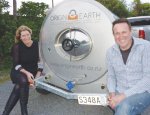
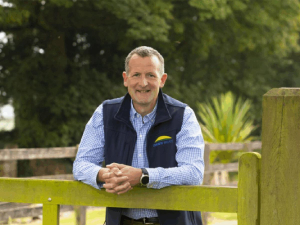
Entry to the Open Day is free and the general public are encouraged to attend. "Our aim for the Open Day is to promote biological farming concepts to the general public and also to connect the public with the biological farming community and sustainability groups," Professor Guna Magesan (pictured), conference coordinator.
A number of biological fertiliser companies, sustainability groups, research and educational institutes will be exhibiting and sharing their knowledge.
Public organisations such as Scion, Waiariki, Te Puni Kokiri and Bay of Plenty Regional Council will be promoting their work.
Dr Michael Quintern of Noke Ltd, a well-known scientist in the area of waste management and sustainability, will explain the concepts of vermicomposting. He will set up worm farms and put some worm capsules into dishes to demonstrate hatching baby worms.
Denise La Grouw, promoter of Rotorua Sustainable Backyards, will share her share passion with the community about our future.
Andre Prassinos from Biobrew, a recent award winner, will be displaying their work.
Similarly, other companies such as NZ Nature Farming, Homeopathic Farm Support, and Farmlands will be setting up stalls to promote sustainability and biological farming.
The Open Day will be held after two days of technical sessions of oral and poster presentations. The conference will be inaugurated by Mayor of Rotorua Ms Steve Chadwick.
More than 150 farmers, Māori land owners, soil and environmental scientists, consultants, ecologists, land management specialists, and representatives from government agencies, universities, crown research institutes, regional councils, fertiliser companies, agricultural and horticultural businesses are participating in the conference.
The theme of the conference is "Biological farming under different land uses", reflecting the vital role of biological farming in sustaining our economy, our environment, and our communities
HAWKE'S BAY farmer Kevin Davidson believes the region is leading New Zealand in biological farming with the number of farms and the amount of milk produced.


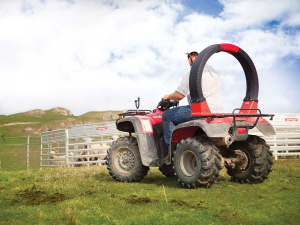
When Northland leather worker Vernon Suckling started making horse saddles 50 years ago, quad bikes and side-by-side vehicles were unheard of.
Alliance Group has confirmed that eligible farmer-shareholders who supply and continue to back the business will receive up to $20 million later this year, following the strategic investment partnership with Dawn Meats.
With a general election under five weeks away, Rural News is asking major political parties about their policies and positions on key issues facing the primary sector. We will run their responses to each question over the next four weeks. The ACT Party and the Greens didn't respond in time.
The red meat sector is in great heart.
Dr Scott Champion, Foundation for Arable Research chief executive, says that everyone in the supply chain had a role to play in driving the sector's long-term success.
Entries opened on Monday, 5 October 2026 for the 2027 New Zealand Dairy Industry Awards (NZDIA), which organisers describe as the nation's biggest celebration of excellence in the dairy sector.




OPINION: The same mainstream media muppets that brought you Jacindamania in 2017 have been flat out pimping for the Opportunities…
OPINION: Your old mate reckons the atrocious way farmers in the UK are treated by their lords and masters in…