Industry-good body, DairyNZ is seeking a big mandate from fee-paying farmers on its upcoming levy vote.
The six-yearly vote in April gives farmers six weeks to decide whether to extend the levy for another term. The levy raises about $65 million annually.
However, the organisation has only committed to keeping the levy at the proposed 3.6c/kgMS for the first year.
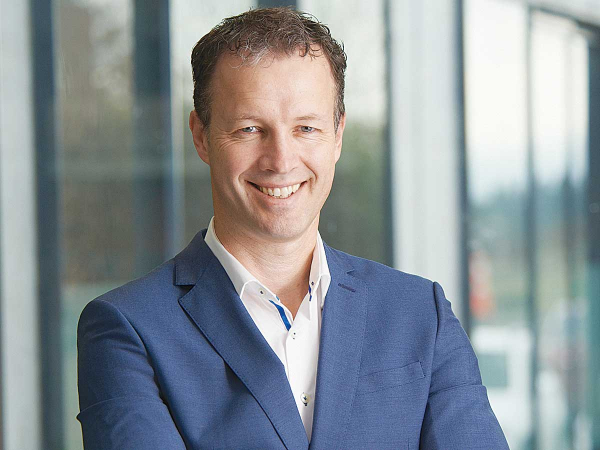
DairyNZ chief executive Tim Mackle says beyond the first year there are no guarantees that the levy will remain at 3.6c/kgMS.
“Certainly for first year, beyond that there are no guarantees that demands won’t require a greater level of investment: we don’t know right now.
“As always, you continuously cut the cloth and look at priorities: investing farmers’ money on things that matter the most.
“There may come a time when more investment is needed and we will go back to farmers then.”
Mackle wants farmers to vote early.
“Then we will spend less time ringing them up to vote and spend more time on the work,” he told Rural News.
Mackle is hopeful of a yes vote, but wants a huge mandate.
“It will be a positive thing for the sector if we turn out in big numbers: a weak turnout and getting the result is not a good outcome for us.
“We want a strong turnout: a big turnout and getting over the line.”
He says the organisation held 34 shed meetings around the country late last year: around 500 dairy farmers turned out to share their thoughts on issues affecting them, get updated on levy-funded research and talk about what the future focus should be for DairyNZ investment.
Mackle says the feedback from farmers on the upcoming levy vote has been positive.
The last levy vote in 2014 recorded a 60% turnout by numbers and 70% by milk solids production.