Farmers have just one week left to submit their opinions on the Zero Carbon Bill.
Climate change ambassadors for the dairy sector are urging farmers to have their say on the new 2050 emissions target the bill will set in place.
The government is asking for public feedback on three possible 2050 emission reduction targets. DairyNZ and many other primary sector organisations are supportive of a new target which will reduce carbon emissions to net zero, and stabilise methane emissions. This is an option dairy farmers can support by submitting online.
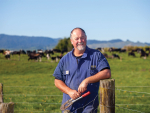
“Farmers shouldn’t be complacent about submitting their views,” says Waikato farmer George Moss. “There’s a lot of people who believe all emissions should reduce to net zero, but they don’t fully appreciate the implications this would have for the primary sector.
“We accept New Zealand farmers will need to manage and limit methane. Even though it is a relatively short lived gas its impact is relatively high compared to carbon alone.”
“New Zealand has made international commitments to reduce our emissions, the question now is how we do that,” says Taranaki farmer Trish Rankin. “The primary sector is responsible for a significant amount of New Zealand’s emissions, so the target chosen will impact how the sector operates. Stabilising methane is one option we should consider.”
The bill is out for public consultation until 19 July. Farmers can submit online here: https://submissions.mfe.govt.nz/consultations/zero-carbon-bill/make-a-submission