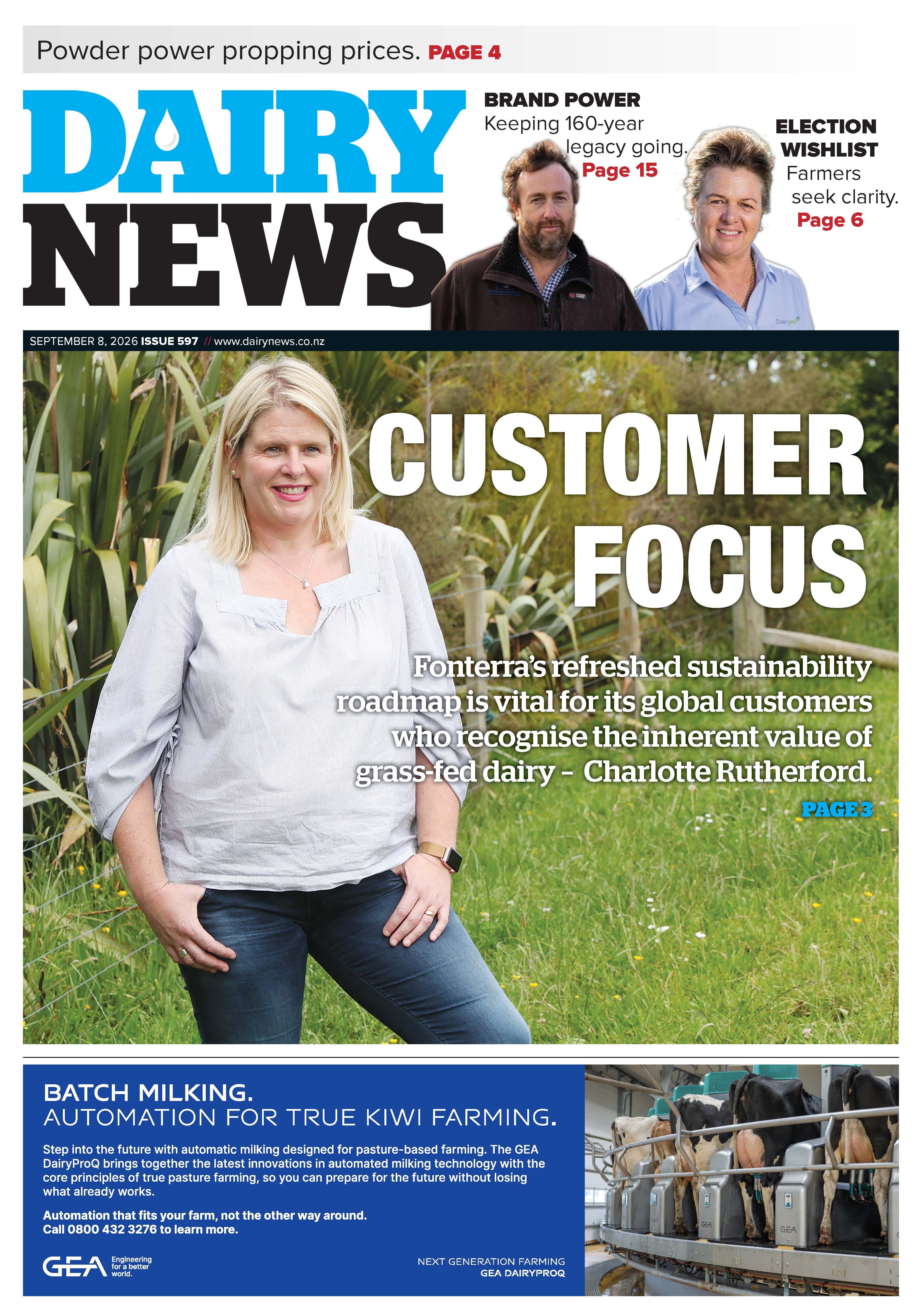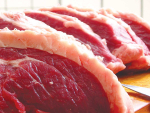
Editorial: No Small Challenge
OPINION: There could hardly be a more appropriate theme for a conference than the one chosen by the red meat sector - Navigating Volatility.




 increase font size
 Simra Karapeeva at home in her office.
New protocols have been set for meat processing plants as they now operate in Level 3 Alert.
There is very little change according to Meat Industry Association chief executive Simra Karapeeva, who says the main change allows for some flexibility over physical distancing on processing chains.
It has changed from two metres to one metre, but this applies only in exceptional circumstances with protective screens in place between staff.
But Rural News has been told that many companies will retain the protocols for Level 4 because they have been able to tweak these and are getting a reasonable level of throughput.
Karapeeva says the new protocols are effectively a minimum ‘guidance benchmark’, which processing companies must meet.
“But it is up to individual companies to decide how they implement this,” she says.
“What you will probably find that is companies that have been in Level 4 have made some small changes to their plants within that framework to reflect their own operating systems and the layout of their plants to try and increase capacity.
“As long as people stick to the minimum it’s up to them to provide anything over and above that and give confidence to their workers,” she says.
OPINION: There could hardly be a more appropriate theme for a conference than the one chosen by the red meat sector - Navigating Volatility.
New Zealand's red meat and fifth-quarter exports reached $867 million in August, up 23% on the same month last year, as stronger returns lifted earnings across all major markets.
Meat Industry Association data, released alongside the Red Meat Sector conference in Wellington, shows export value climbing across the US, China, UK and Canada.
New Zealand consumers are paying more for beef mince than ever before, with the average retail price now sitting above $24 per kilogram, according to Rabobank.
After delivering a strong financial year, rural trader PGG Wrightson says the coming months will depend on customer confidence and weather.


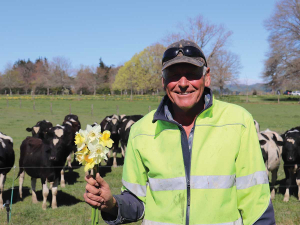
South of the central Hawke’s Bay town of Waipukurau is Taniwha Station – a highly successful 550ha bull beef farming operation.
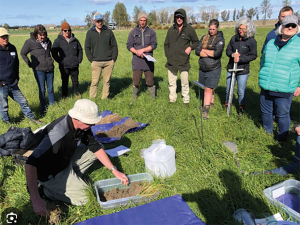
Beef + Lamb NZ funded research has shown that some simple changes to pasture management could help farmers make better use of rainfall and build resilience before dry conditions hit.
OPINION: There could hardly be a more appropriate theme for a conference than the one chosen by the red meat sector - Navigating Volatility.
When Northland leather worker Vernon Suckling started making horse saddles 50 years ago, quad bikes and side-by-side vehicles were unheard of.
Alliance Group has confirmed that eligible farmer-shareholders who supply and continue to back the business will receive up to $20 million later this year, following the strategic investment partnership with Dawn Meats.
With a general election under five weeks away, Rural News is asking major political parties about their policies and positions on key issues facing the primary sector. We will run their responses to each question over the next four weeks. The ACT Party and the Greens didn't respond in time.



OPINION: The same mainstream media muppets that brought you Jacindamania in 2017 have been flat out pimping for the Opportunities…
OPINION: Your old mate reckons the atrocious way farmers in the UK are treated by their lords and masters in…