Fines For Velveting Without Pain Relief, Illegal Slaughter and NAIT Breaches
Three men have been sentenced in District Courts after Ministry for Primary Industries prosecutions over animal welfare, food safety and cattle tracing offences.




 increase font size
 Damien O'Connor.
The passing of the Farm Debt Mediation and NAIT laws last night shows the Government’s commitment to work alongside and help farmers, says Ag Minister Damien O’Connor.
“These new laws are necessary to address the previous Government’s nine years of neglecting the big issues facing the primary sector,” he says.
“By passing these pieces of legislation the Coalition Government has helped ensure the future sustainability of the sector.”
The Farm Debt Mediation Act supports the mental, emotional and financial wellbeing of farmers and farming families who find themselves in financial strife. Total farm debt in New Zealand is $62.8 billion – up 270% on 20 years ago.
O’Connor says the failure of a farm business can lead to the farmer and their family losing both their business and their home.
“For many rural communities the failure of one farm can have a ripple effect through those communities and the regional economy.
“Farmers who operate a family business often don’t have the resources to negotiate their own protections when dealing with lenders.
“This scheme will help to provide certainty for those facing the hard challenge of paying back debt. It’ll provide a way to help them get through, so they can get on with running their businesses and supporting their families.”
O’Connor said the ongoing efforts to eradicate Mycoplasma bovis highlighted flaws in the NAIT scheme.
“We’ve done our best to make compliance easier for farmers, including transition periods where possible to help farmers adjust. Combined, these steps will see real changes for the industry and improvements to our biosecurity system.”
“We had great cooperation from industry to help improve the Act quickly and efficiently, and now we have a NAIT system that’s fit for the future.”
Three men have been sentenced in District Courts after Ministry for Primary Industries prosecutions over animal welfare, food safety and cattle tracing offences.

With a general election under five weeks away, Rural News is asking major political parties about their policies and positions on key issues facing the primary sector. We will run their responses to each question over the next four weeks. The ACT Party and the Greens didn't respond in time.
A Labour-led Government won’t be bringing back the controversial freshwater rules of 2020.
Federated Farmers says it welcomes Labour's commitment to reviewing the Sharemilking Agreements Act, calling on other major parties to do the same.
Red meat farmers are welcoming Labour’s plan to review the Emissions Trading Scheme and not to campaign on pricing agricultural emissions.

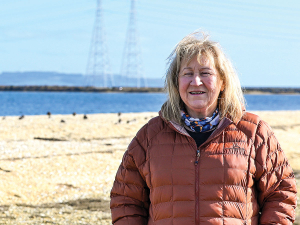
For 15 years, Glenda Rees has travelled from Gore to Awarua, often several times a week, to keep watch over one of the country’s rarest birds.
With some farmers opposing a government-industry partnership set up to develop methane reducing products, one NZ company claims that it already has a product on the market.
During the nesting season, from September to December, industrious starlings can quickly build nests in the darker areas behind tractor and vehicle, usually close to hot engines, typically resulting in localised damage or in some cases complete write-offs.
The meat processing industry is much more collegial than it was in the past and is now more focused on common goals.
With the last couple of months having seen some potential tractor purchases put on hold with the impending election and continued input cost rises, year-to-date figures, ending September, has seen deliveries up around 5% over the same period in 2025, with a total of 2026 units.
Beef+Lamb New Zealand is calling for nominations for director roles in the Northern South Island and Northern North Island electoral districts.





OPINION: The same mainstream media muppets that brought you Jacindamania in 2017 have been flat out pimping for the Opportunities…
OPINION: Your old mate reckons the atrocious way farmers in the UK are treated by their lords and masters in…