Pāmu Welcomes Paige Burston as First Foundation Scholar
Pāmu has welcomed Taranaki student Paige Burston as its newest First Foundation Scholar, supporting her journey towards a career in agriculture and animal science.




 increase font size
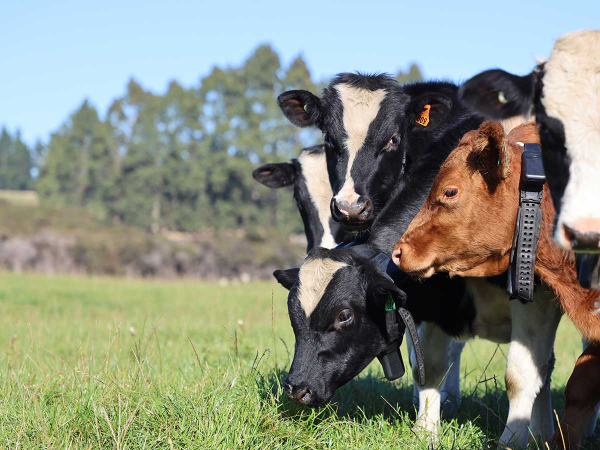
High country stations, mixed sheep and beef farms, Māori-owned farms, corporates and family operations are among the nine commercial farms taking part in the Livestock Innovation Farming Transformation programme, known as LIFT.
The farms span New Zealand’s hill country and a wide range of farming systems and conditions:
A selection panel chose them from a national long list using common criteria. Their role is to use the technology in normal commercial conditions, test practical farm system changes and share what they learn with farmers and the wider sector.
The confirmation marks LIFT’s move from establishment to delivery. Farms have been onboarded, virtual fencing deployment is under way, and farm teams and consultants are working out where the technology may add value in each system.
The programme has begun collaring and training cattle and building production, financial and environmental baselines, including FARMAX and Overseer models for each farm.
Pāmu Chief Executive Mark Leslie says the value will come from the range of farms and their willingness to openly test and share what does and does not work.
“Virtual fencing creates new opportunities to improve profitability and environmental performance, but the technology on its own is not the answer,” he says. “What matters is how farmers use it to change grazing, stock management and the wider farm system.”
Participating farmers have started meeting as a national group, and conversations have already widened to pasture management, labour, animal performance, water infrastructure and environmental benefits.
Programme Lead Charlie McCaig says this is an important early sign.
Lochindorb is a third-generation family business run by Lyndon and Jade McNab. The 2,500-hectare property includes flats and hard hill country and carries sheep and beef. The farm is exploring whether more flexible grazing control can improve pasture quality and feed grown in harder-to-reach areas while protecting sensitive parts of the property. It is also interested in creep grazing, better youngstock growth and less time moving and managing cattle.
“The opportunity is not simply replacing a fence,” Lyndon McNab says. “It is being able to manage grazing more deliberately, make better use of the feed we grow and protect areas that matter to us.”
LIFT was launched in June as a five-year, $8.5 million programme led by Pāmu. The Ministry for Primary Industries is investing $3.5 million through the Primary Sector Growth Fund, as part of its Land Use Flexibility funding package, alongside partner support.
Each farm works with an independent consultant to update models, test system changes and track performance. The programme will assess production, financial, environmental and practical outcomes. It will also run field days and publish farmer stories, practical guidance and annual evidence reports. Farms stay commercial businesses and keep control of their decisions.
“We are not setting out to prove that one system will work everywhere,” McCaig says. “That means sharing the difficult lessons as well as the positive ones.”
Pāmu has welcomed Taranaki student Paige Burston as its newest First Foundation Scholar, supporting her journey towards a career in agriculture and animal science.

State farmer Pāmu is bracing for a $30 million hit from soaring farm input costs this financial year.
Pāmu has released its FY26 Integrated Annual Report, reporting a Net Operating Profit of $113 million, more than double the $49 million recorded in FY25.
A partnership between state-owned enterprise Pāmu (Landcorp Farming Limited) and charity Meet the Need is putting more than quality New Zealand beef into food bank parcels this year.
State farmer Pamu has delivered its strongest operating result on record.

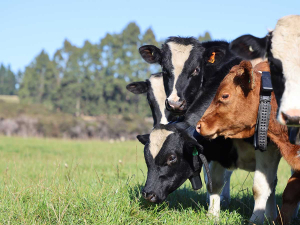
High country stations, mixed sheep and beef farms, Māori-owned farms, corporates and family operations are among the nine commercial farms taking part in the Livestock Innovation Farming Transformation programme, known as LIFT.
OPINION: New health and safety guidance unveiled by the Government recently provides farmers greater certainty about what is expected of them when managing risks on farm.
The National Animal Welfare Advisory Committee (NAWAC) is seeking public feedback on proposed changes to the Code of Welfare for Rodeos.
A New Zealand initiative supporting farmers to restore the health of grazing landscapes has received international backing through the Regenerative Fund for Nature, a global collaborative fund supporting regenerative agriculture and the communities that produce natural fibres for the fashion industry.
Combine premium New Zealand products, blend in a family ritual and what do you get? A world-class functional drink.
Entries are now open across eleven regions for the 2027 New Zealand Dairy Industry Awards (NZDIA).


OPINION: The same mainstream media muppets that brought you Jacindamania in 2017 have been flat out pimping for the Opportunities…
OPINION: Your old mate reckons the atrocious way farmers in the UK are treated by their lords and masters in…