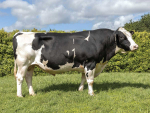
Timaru-Bred Bull Takes Out 2026 Mahoe Trophy
An LIC bull, Tronnoco AR Sadio-ET S3F, bred by Tony and Keri O'Connor of Tronnoco Farming Co Ltd near Timaru, has won the 2026 Mahoe Trophy.




 increase font size

HERD IMPROVEMENT company, Liberty Genetics, has released 10 years of breeding worth (BW) statistics on its Jersey, Friesian and Crossbred bull teams.
The numbers show that the BW values of its bull teams are ranking well against the other top sire teams in the country, it says.
Dr Dave Hayman, Liberty Genetics manager of genetic development, says, "On average, across our three sire teams there's only around five BW difference between our sire team and other top performing teams. This includes NZ Animal Evaluation's adjustments for young bulls."
Dr Hayman has overseen the company's breeding programme since 2006. He says the most impressive statistics are for Liberty Genetics' Jersey bull team, which show an average annual BW gain of $15 year-on-year over the past decade; a gain of 146 BW in 10 years.
"Our team is right up with the top Jersey teams in New Zealand with the average BW for our 2014 Jersey bull team sitting at $243."
BW is the basis on which New Zealand ranks dairy bulls and cows based on their expected ability to produce profitable and efficient replacements. The traits currently included in BW calculations are: protein, milkfat, milk volume, liveweight, fertility, residual survival and somatic cell count. (source: www.nzael.co.nz)
Dr Hayman says Liberty Genetics' BW improvements are impressive as its breeding programme is young compared to the industry, as it was only formed in 1998.
"When it comes to BW gain, the cow population lags behind the bulls. Cow population gains have typically been around nine to 10 BW per year for the past 10 to 15 years. Whereas the New Zealand sire population has typically gained around 12 to 13 BW per year over that same period.
"Liberty Genetics' average BW gains of our bull teams continue to follow the bull population, gaining around 12 to 13 BW year-on-year. However, since we only got started 16 years ago, Liberty Genetics' bull team look to be improving at a faster rate, which is quite an achievement," says Dr Hayman.
In addition to its stand-out BW gains in its Jersey team, the BW statistics released by Liberty Genetics also show solid gains for its Crossbred and Friesian bull teams over the past decade.
For the past 10 years, Liberty Genetics' Crossbred bull team has had an average annual year-on-year BW gain of $12 with a total gain of 121 BW. The average BW of its 2014 Crossbred bull team sits at $242.
Liberty Genetics' Friesian bull team has had an average annual year-on-year BW gain of $13 over the past decade with a total gain of 131 BW. The average BW of its 2014 Friesian bull team is $228.
All three of the Liberty Genetics bull teams have also made useful gains in the conformation of the cow over the past decade.
"The udder overall breeding value is a conformation trait many farmers are conscious of and we've made a consistent and steady gain in udder breeding value in all three teams. In certain scenarios farmers can customise the team selection to maximise BW or specific conformation and management traits that suit their preferences," says Dr Hayman.
The strategy for Liberty Genetics has always been to be the price conscious supplier of quality semen with the intention to sell semen straws for around 50% less than the industry average, says Liberty Genetics general manager, Craig Hemmings.
"With pay out tipped to decline and farmer budgets tightening, we're seeing a lot more interest in Liberty Genetics. Our consistent BW gains and current ranking of our teams show farmers can typically maintain herd genetic gain with significant budget savings.
"Liberty Genetics is helping farmers keep up with the pace of the industry whilst balancing that against the cost of the investment in genetics," Hemmings says.
Liberty Genetics is wholly owned by CRV Holdings, the parent company of Hamilton-based CRV Ambreed.
An LIC bull, Tronnoco AR Sadio-ET S3F, bred by Tony and Keri O'Connor of Tronnoco Farming Co Ltd near Timaru, has won the 2026 Mahoe Trophy.
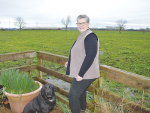
The global organisation for Jersey breeders has undergone a strategy refresh - spearheaded by new president and the first New Zealander to hold the post, Alison Gibb.
The last thing most Jersey members would expect to read in the Jersey Focus is an article about the well-known Holstein Friesian and Ayrshire breeders Gary and Karen Peters of the Rock View stud, Midhirst, Taranaki.
One of New Zealand’s deepest breeder Jersey herds – known for its enduring connection through cattle with the UK’s longest reigning monarch, Queen Elizabeth II – will host its 75th anniversary celebration sale on-farm on April 22.
Breeding and genetics are a long-term game and it’s three years from the time we make the choice around which straw or bull to use, until we really know whether it’s been a smart decision. So, it’s understandable that most farmers are thinking ahead when it comes to their breeding.


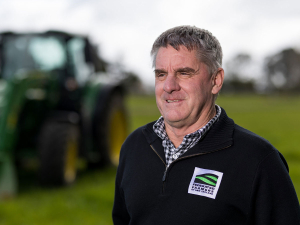
National’s pledge to introduce 19 new national standards shows the party is serious about getting Wellington out of farming, Federated Farmers says.
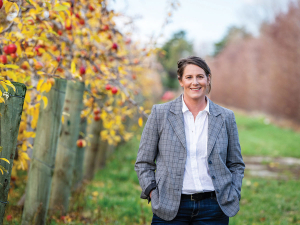
The National Party’s policies to make it easier to grow fresh vegetables, secure reliable water and energy and simplify farm planning are practical changes that will give growers the confidence to invest, according to Horticulture New Zealand (HortNZ).
Fonterra Co-operative Group chief financial officer Andrew Murray has resigned to take up a role outside the dairy giant.
A major move is about to get underway to improve the quality and viability of dairy beef and cattle in NZ.
Veterinarians say changes to the code of welfare for dairy cattle provides a positive foundation for improved cattle welfare across the country.
Today, 15 October, is the International Day of Rural Women, which recognises rural women’s contribution to farming, communities and the environment.


OPINION: The same mainstream media muppets that brought you Jacindamania in 2017 have been flat out pimping for the Opportunities…
OPINION: Your old mate reckons the atrocious way farmers in the UK are treated by their lords and masters in…




