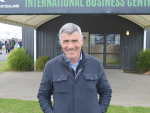
The author of the MPI Situation and Outlook report says that while some of it could be construed as less than satisfactory, the primary industries overall have a "phenomenal opportunity".
Jarred Mair, MPI's director of sector policy, sees truly exciting opportunities in areas where New Zealand has not yet been -- notably high-value, processed products in which NZ will have a competitive advantage.
He believes the opportunities for NZ products in the hospitality sector are "phenomenal".
Mair says while it's tempting to look at dairy exports with nostalgia for the 2014 record result, it's important to realise that was an exception.
"Now we are [anticipating] a return to those levels through this forecast period, which at 34% is a pretty big gain over four years. Much of this will be value rather than volume, which is exciting."
Mair says horticulture has been a standout sector for the last three years.
"It shows the power of NZ primary industry, in the sense that it's diversified; so though we have had problems with one sector, another has stepped up."
Another strength emerging is farmers' growing ability to better manage adverse events, helped by technology.
"The strength of NZ's primary sector is that, having been in a market-led economy for so long, we know how to adapt and respond to challenges at the macro level," Mair says.
"A great example: the slowdown in China in dairy; we were able to quickly redistribute that product around the world and still sell it. Yes, there was a drop in price, but we were able to sell it."