
Kiwifruit Growers Prepare for El Niño, Stay Optimistic
Kiwifruit growers are watchful but remain optimistic as concerns around the potential effects of the El Niño weather pattern this season.




 increase font size
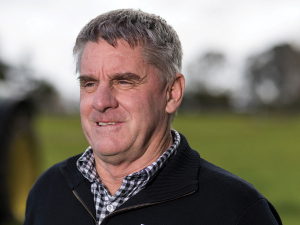
 Neil Bateup says usual summer conditions have returned to the regions.
While it has been a great spring and summer for farmers, soil moisture levels in the Waikato are now plummeting as the dry February starts to bite.
The Waikato and South Auckland Primary Industry Adverse Event Cluster core group convened earlier this week to collectively review conditions and information from farmers and growers across the region.
The group was set up in 2016 to bring together agencies from the primary industries, central and local governments to prepare for and coordinate responses to adverse events.
Ohinewai farmer and group chairperson, Neil Bateup says usual summer conditions have returned to the regions.
He adds that it’s good to see farmers are generally well-prepared.
“There is plenty of supplementary feed about for stock at present following a good spring and farmers generally are reported to be coping,” Bateup says.
“With no significant rain forecast for the region in the near future we want to reassure farmers that we’ve got this situation on our radar and we’re looking out for them.”
Bateup encourages people to look after their own wellbeing and take a moment to check on neighbours.
“Farmers will need to be agile,” he says. “It will rain and conditions will improve, but we do not know if this will be early or late March.”
Bateup says farmers should stay in contact with rural professionals and graziers, to regularly review feed and financial budgets, and have a plan B and plan C.
“Influence what you can control, particularly the communication with others, and planning,” he concludes.
Kiwifruit growers are watchful but remain optimistic as concerns around the potential effects of the El Niño weather pattern this season.

With forecasters advising El Niño conditions will develop through winter and strengthen into spring and summer, Ballance Agri-Nutrients is encouraging farmers and growers to think ahead about nutrient planning and be prepared to work around challenging weather conditions.
Recent weather events in the Bay of Plenty, Gisborne/Tairawhiti, and Canterbury have been declared a medium-scale adverse event.
Agriculture and Forestry Minister Todd McClay is encouraging farmers and growers to stay up to date with weather warnings and seek support should they need it.
Waikato dairy farmer Neil Bateup, made a companion of the New Zealand Order of Merit (CNZM) in the New Year 2026 Honours list, says he’s grateful for the award.


Federated Farmers has welcomed new rural policies released by ACT, saying they align closely with its own election priorities.

Rural Contractors NZ says proposed changes to land transport rules for agricultural vehicles are a welcome response by the Government to out of date regulations which have seen members hit with huge fines.
Alliance is calling for final applications for its 2027 Graduate Programme, with applications closing on Sunday 25 October.
Decades piloting planes has ensured vet and farmer David Hayes is focused on safety. So, after a serious accident while welding on farm, he is sharing his experience so others can learn from it.
Canterbury milk processor, Synlait Milk has confirmed Leon Fung as its chief executive officer.
OPINION: Making it easier to collect rainwater and use it to grow crops and livestock is a no brainer.





OPINION: The same mainstream media muppets that brought you Jacindamania in 2017 have been flat out pimping for the Opportunities…
OPINION: Your old mate reckons the atrocious way farmers in the UK are treated by their lords and masters in…




