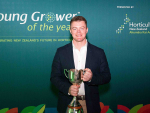
James Blair Named 2026 Young Grower National Champion
James Blair, an agronomist for AS Wilcox and the Pukekohe regional champion, has won the 2026 Young Grower national title.




 increase font size
 A 1916 photo of New Zealand Horticulture leaders.
Today, Horticulture NZ celebrates 100 years of representing growers, with its foundations in the New Zealand Fruitgrowers Federation formed in 1916.
"Our focus is on uniting fruit and vegetable growers to give a strong and unified voice on matters related to our part of food supply in New Zealand and our export markets," Horticulture NZ president Julian Raine says.
"Looking back at the history of the organisation, there is very much a recurring theme of creating an environment where growers can innovate and grow and in doing so, contribute to the economy with jobs and exports."
When marking 50 years of the New Zealand Fruitgrowers’ Federation in 1966, the then Prime Minister Sir Keith Holyoake says: "The decision to provide an organised body to speak on behalf of the young industry has proved of great benefit to fruitgrowers. The addition of a trading side to the activities of the Federation has also been of very great help and the wisdom of this move is shown in the present extent and soundness of its operation." (Foreword, Fruitful Years, by Rex Monigatti)
Twenty-five years later the then Prime Minister Jim Bolger says: "As a nation we benefit from fruitgrowers’ intensive use of land resources and labour. In addition our people benefit from a health-giving food produced in New Zealand orchards." (Foreword, Fruitful Fields, by Rex Monigatti)
On November 30, 2005, Horticulture NZ was officially launched at the National Library, creating one organisation from the genetics of three: the New Zealand Vegetable and Potato Growers Federation (Vegfed), the New Zealand Fruitgrowers Federation and the New Zealand Berryfruit Federation.
The then Agriculture Minister Jim Anderton says: "Horticulture plays an important part in the lives of all New Zealanders - what is our roast lamb dinner without our roast potatoes? What is Christmas without strawberries, apricots, raspberries and other seasonal fruit?"
Anderton says the merger was logical …"it is more efficient to deal with the representatives of one industry organisation, especially when we are working on issues that affect the whole industry".
"These words by prominent politicians over the past 50 years ring as true today," Raine says. "A single organisation has more clout and is more efficient to run.
"We are now following a vision of ‘healthy food for all forever’ and chasing a growth goal to double the value of the industry by 2020, to $10 billion. Horticulture is New Zealand’s fourth largest export industry and employs 60,000 people in New Zealand.
"Horticulture is an exciting industry to be part of, and progress over the past 100 years now sees us using the best in science and innovation to produce and promote fruit and vegetables that have a worldwide reputation for safety, quality, and taste."
James Blair, an agronomist for AS Wilcox and the Pukekohe regional champion, has won the 2026 Young Grower national title.
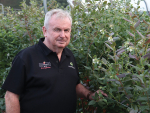
Blueberries have the potential to become a major horticultural export, earning up to $150 million within the next three to five years.
New Zealand needs to make sure that it continues to focus on its own food security, according to HortNZ board member and blueberry grower Dermott Malley.
According to a progress report on the Aotearoa Horticulture Action Plan (AHAP), New Zealand's horticulture sector is making real progress on the big issues facing growers.
Agriculture Minister Todd McClay has admitted that a scheme bringing workers from Pacific nations to work on orchards has become too hard to navigate but says changes are coming.


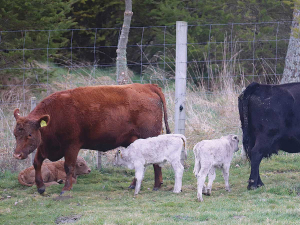
A major move is about to get underway to improve the quality and viability of dairy beef and cattle in NZ.
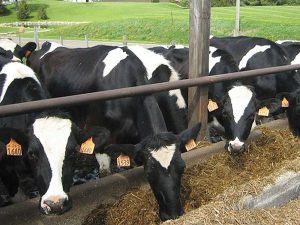
Veterinarians say changes to the code of welfare for dairy cattle provides a positive foundation for improved cattle welfare across the country.
Today, 15 October, is the International Day of Rural Women, which recognises rural women’s contribution to farming, communities and the environment.
Global dairy giant Lactalis has integrated its Australian operations with the Mainland Dairy consumer business it acquired from Fonterra earlier this year.
After almost two decades of sharemilking, saving and building equity, Aaron and Marcia Flay this year realised their long-held dream of settling on their first dairy farm.
Good medium to long term prospects for NZ beef, especially in the US, has heighted the focus on various initiatives to capitalise on this situation.


OPINION: The same mainstream media muppets that brought you Jacindamania in 2017 have been flat out pimping for the Opportunities…
OPINION: Your old mate reckons the atrocious way farmers in the UK are treated by their lords and masters in…




