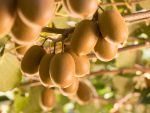
NZKGI Responds to Migrant Worker Exploitation Reports
Where any worker in the kiwifruit industry is mistreated, we expect the authorities to take action.




 increase font size
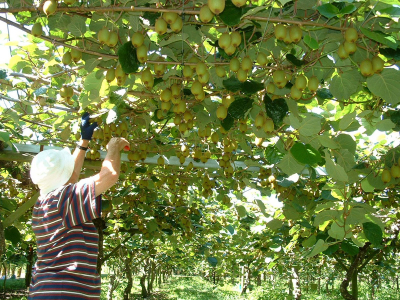 Kiwifruit, one of the main drivers of hort sector's success
New Zealand horticulture is well on track to meet its goal of $10 billion by 2020.
The industry was valued at $9.2 billion in the year ending 30 June, 2018, up $400 million from 2017. The increase was driven by a strong growth in exports, which rose to $5.5 billion from $5.1 billion the year before.
According to the latest Fresh Facts, published annually by Plant & Food Research since 1999, horticultural exports tripled from $1.7 billion 20 years ago. They now accounted for almost 10% of New Zealand’s total merchandise exports. Kiwifruit and wine were the main drivers for New Zealand’s horticultural success.
More than a third (34%) of the export revenue is attributable to kiwifruit ($1.86 billion, up from $1.66 in 2017). Zespri SunGold Kiwifruit has proven popular in key export markets. It now accounts for around 40% of the crop.
Wine contributed to another 31% of our total horticulture exports ($1.69 billion, up from $1.66 billion in 2017). Sauvignon blanc is still the main crop, but other wines, particularly Pinot noir, Chardonnay and Pinot gris, are also increasing in production.
The apple industry remained extremely competitive on the world stage. Apple exports rose to $732.9 million in 2018 from $691 million in 2017. New cultivars such as Jazz and Envy™ provided both diversification and increased value.
With export values reaching $115 million (up from $93.8 million in 2017), the potato industry has seen a shift from fresh potato exports to processed potato products. Onions, peas and squash have remained integral parts of our horticultural export mix over the years.
New Zealand horticultural produce was exported to 128 countries. The top five markets are Continental Europe, Australia, the USA, China and Japan. Together they account for close to $3.7 billion and more than two-thirds (68%) of the total exports. Exports to Asia recorded a significant jump of $912 million to $2.068 billion year-on-year.
“Our industry is well diversified, and it continues to adapt to consumer and market needs to ensure New Zealand products remain in demand and sell at a premium overseas,” says David Hughes, chief executive Plant & Food Research.
“Part of the premium derives from our innovative and sustainable global reputation. We look forward to helping all our sectors realise their potential and deliver a smart green future for New Zealand.”Mike Chapman, chief executive of Horticulture New Zealand, says, “We are delighted to witness the extraordinary growth of our industry over the last 20 years. We’re committed to creating an enduring environment where the industry can continue to prosper and achieve our common goal.”
Key facts:
Where any worker in the kiwifruit industry is mistreated, we expect the authorities to take action.

Kiwifruit growers are watchful but remain optimistic as concerns around the potential effects of the El Niño weather pattern this season.
James Blair, an agronomist for AS Wilcox and the Pukekohe regional champion, has won the 2026 Young Grower national title.
Claimed to be the first autonomous robot for New Zealand vegetables growers, the first Kilter AX-1 unit has arrived in the country.
After delivering a strong financial year, rural trader PGG Wrightson says the coming months will depend on customer confidence and weather.


Returning to the family dairy farm after playing 20 years of professional rugby around the world is no easy task.

After delivering another record farmgate milk price to 100 supplying farms, independent milk processor Tatua is entering thee new financial year with a positive outlook.
Managing feed by sticking to a firm plan has helped the Southern Dairy Hub (SDH) demonstration farm survive an extremely wet winter, says the farm's acting general manager Greg Delaney.
A record farmgate milk price and strong global demand is laying the foundation for continued growth of organic dairy farming in New Zealand.
Mobile phone coverage and reliability are deteriorating in rural areas, and farming families are bearing the cost, according to a Federated Farmers survey.
HelloFresh New Zealand has launched a limited-edition Country Cookout Box of Southern-inspired meals, arriving as the 2026/27 rodeo season gets underway.




OPINION: The same mainstream media muppets that brought you Jacindamania in 2017 have been flat out pimping for the Opportunities…
OPINION: Your old mate reckons the atrocious way farmers in the UK are treated by their lords and masters in…




