
Fonterra CFO Andrew Murray Resigns
Fonterra Co-operative Group chief financial officer Andrew Murray has resigned to take up a role outside the dairy giant.




 increase font size
 John Wilson.
Fonterra chairman John Wilson is confident farmers will next week approve changes to the co-op’s governance structure.
A special meeting in Palmerston North on Wednesday will require at least 75% support; Fonterra’s attempt late last year to pass the reforms received only 64% farmer support.
The key change proposed to the governance structure is that farmers would directly nominate their own choice for selection to the board. A reduced 11-director board and first-past-the-post voting rather than the current single-transferable-vote model have been retained from the original proposal.
Fonterra directors, led by chairman John Wilson, discussed the latest governance proposal at 45 farmer meetings last week.
Wilson says 64% accepted the last proposal and the board listened “very carefully” to those who did not.
“We have tweaked the proposal and addressed the question of choice; now any farmer shareholder can stand in his or her own right,” he told Rural News.
Wilson says feedback from early meetings last week indicated strong support for the revised proposal.
“We’ve had this conversation for eight months with our shareholders; it’s great for the co-op and gives our farmer shareholders a greater understanding, but farmers believe it’s time to move forward. From the feedback it sounds as if we have the support required to pass the reforms.”
Former Fonterra directors Colin Armer and Greg Gent prompted Fonterra to restart the review after filing a remit to reduce the board to nine at the 2015 annual meeting; the remit, though supported by a majority of farmers, did not get the 75% needed to pass.
Armer told Rural News he still has questions about the revised proposal and will comment later.
Fonterra currently has 13 directors; under the proposed new structure the board would be reduced to 11 directors – seven farmer-elected and four appointed.
Farmers supported the proposed size and composition of the board. They also liked the proposal for an attributes and skills matrix.
Wilson says the review committee thought carefully about having an independent selection panel recommend a shortlist of candidates for farmers to vote on, but farmers did not support this.
“A vote off a shortlist does not answer farmers’ calls for choice; it just gives farmers more of the same – candidates by the same process, measured against the same criteria by the same people.
“The best way to give voting farmers a real choice and achieve the outcome we are looking for is to enable farmer candidates to stand outside the nomination process.”
The review also included a revamp of Fonterra Shareholders Council and a re-focus on its core constitutional role as a cornerstone shareholder.
The special meeting will start 10.30am at the Palmerston North Convention Centre on October 12.
Fonterra Co-operative Group chief financial officer Andrew Murray has resigned to take up a role outside the dairy giant.

Four candidates have been confirmed for two director positions on Fonterra’s board.
A record farmgate milk price and strong global demand is laying the foundation for continued growth of organic dairy farming in New Zealand.
Waikato milk processor Tatua has again declared a record milk payout to farmer shareholders, leaving other processors in the dust.
Fonterra has unveiled its annual results for the 2026 financial year, posting $27 billion in revenue and close to $20 billion returned to New Zealand farmer owners and unit holders.


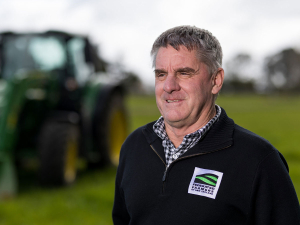
National’s pledge to introduce 19 new national standards shows the party is serious about getting Wellington out of farming, Federated Farmers says.
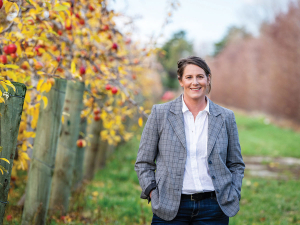
The National Party’s policies to make it easier to grow fresh vegetables, secure reliable water and energy and simplify farm planning are practical changes that will give growers the confidence to invest, according to Horticulture New Zealand (HortNZ).
Fonterra Co-operative Group chief financial officer Andrew Murray has resigned to take up a role outside the dairy giant.
A major move is about to get underway to improve the quality and viability of dairy beef and cattle in NZ.
Veterinarians say changes to the code of welfare for dairy cattle provides a positive foundation for improved cattle welfare across the country.
Today, 15 October, is the International Day of Rural Women, which recognises rural women’s contribution to farming, communities and the environment.



OPINION: The same mainstream media muppets that brought you Jacindamania in 2017 have been flat out pimping for the Opportunities…
OPINION: Your old mate reckons the atrocious way farmers in the UK are treated by their lords and masters in…




