Red Meat Sector Calls for Trade Focus Before Election
New Zealand's red meat sector says it welcomes the Government's focus on trade ahead of the general election in November.
Other countries competing against New Zealand in China is being cited as one of the reasons for the pressure our red meat sector is currently facing.
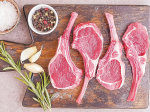
NZ red meat exports for the month of August were worth $730 million – a 16% drop on the same month in 2022. The main decline was in exports to China, which were down 44% to $213m. In contrast, exports to the US were up 26% to $188m, while exports to Canada were up 136% to $40m.
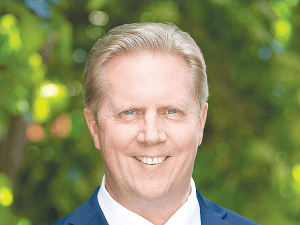
Meat Industry Association (MIA) chief executive Sirma Karapeeva says the decline in overall exports partly reflects last year was a record for exports in August.
But she adds that New Zealand is also facing growing competition in China.
“Meat competition has increased significantly in China and there are now 42 countries exporting meat to the country – 30 for beef alone. The volume of Brazilian and other South American beef on the China market is significant and it is driving down the price overall. Likewise, Australian producers are exporting significant volumes of mutton to China at a low price. Conservative consumer spending is also driving down pricing.”
Karapeeva says compared to last August, the volume of overall sheepmeat exports increased by 6% to 25,162 tonnes, but the value decreased by 13% to $236m.
She says the decline in value was mainly due to a decline in the value of exports to China, which were down 25 % to $73m – compared to August 2022.
“Sheepmeat exports to our other two major markets, the US and UK, increased compared to last August. The US is up 22% to $41m and the UK up 20% to $19m.”
The one bit of good news is that while beef exports to the UK are much smaller, NZ continues to benefit from the new beef quota under the UK Free Trade Agreement.

New Zealand dairy farmers are set to be the first in the world to receive access to a new digital physical milk pricing tool that enables them to fix the price for their physical milk.
State farmer Pāmu is opening its farm gates this summer in an effort to give the rural sector the opportunity to see how large-scale, multi-system farming is delivering productivity and profitability across New Zealand.
A five-year study has found that the cost of reducing emissions without technology may be significant and unsustainable for Northland dairy farmers.
DairyNZ says Waikato farmers need certainty on Plan Change 1, but they say that certainty must be matched with practical, workable rules and a clear transition that doesn't get ahead of the new resource management system currently under review.
While the Government has moved quickly to make commercial hauliers' lot easier during the current fuel crisis, they appear to be stuck in the creep box when it comes to the agricultural industry.
Waikato farmers have been told that the Government’s new planning system legislation and the region’s Plan Change 1 (PC1) “won’t mesh together very well”.

OPINION: Central Hawke's Bay farmer Mark Warren recently told the Hawke's Bay Times it's time for a conversation about allowing…
OPINION: A nation that relies as heavily as NZ does on functional global shipping lanes will have to do its…